
Most rooftop AC units problems—short cycling, noise complaints, and breaker trips—come from airflow restrictions, control issues, or electrical faults. Identifying these early prevents energy waste, equipment damage, and costly downtime. A structured diagnostic approach helps facilities teams resolve issues quickly and avoid recurring service calls.
How do you quickly diagnose rooftop AC unit issues in 10 minutes?
Before diving into complex diagnostics, a fast triage can identify obvious causes and prevent unnecessary troubleshooting.
- Document operating conditions: Record outdoor temperature, system mode (cooling or ventilation), and which stages are active. Photos provide a reliable reference for recurring issues.
- Check airflow basics: Ensure at least 2–3 feet of clearance around the unit. Remove debris from condenser coils and intake screens to restore proper airflow.
- Verify filter condition: Confirm correct filter size and type, and check pressure drop. Incorrect or clogged filters restrict airflow, leading to noise and performance issues.
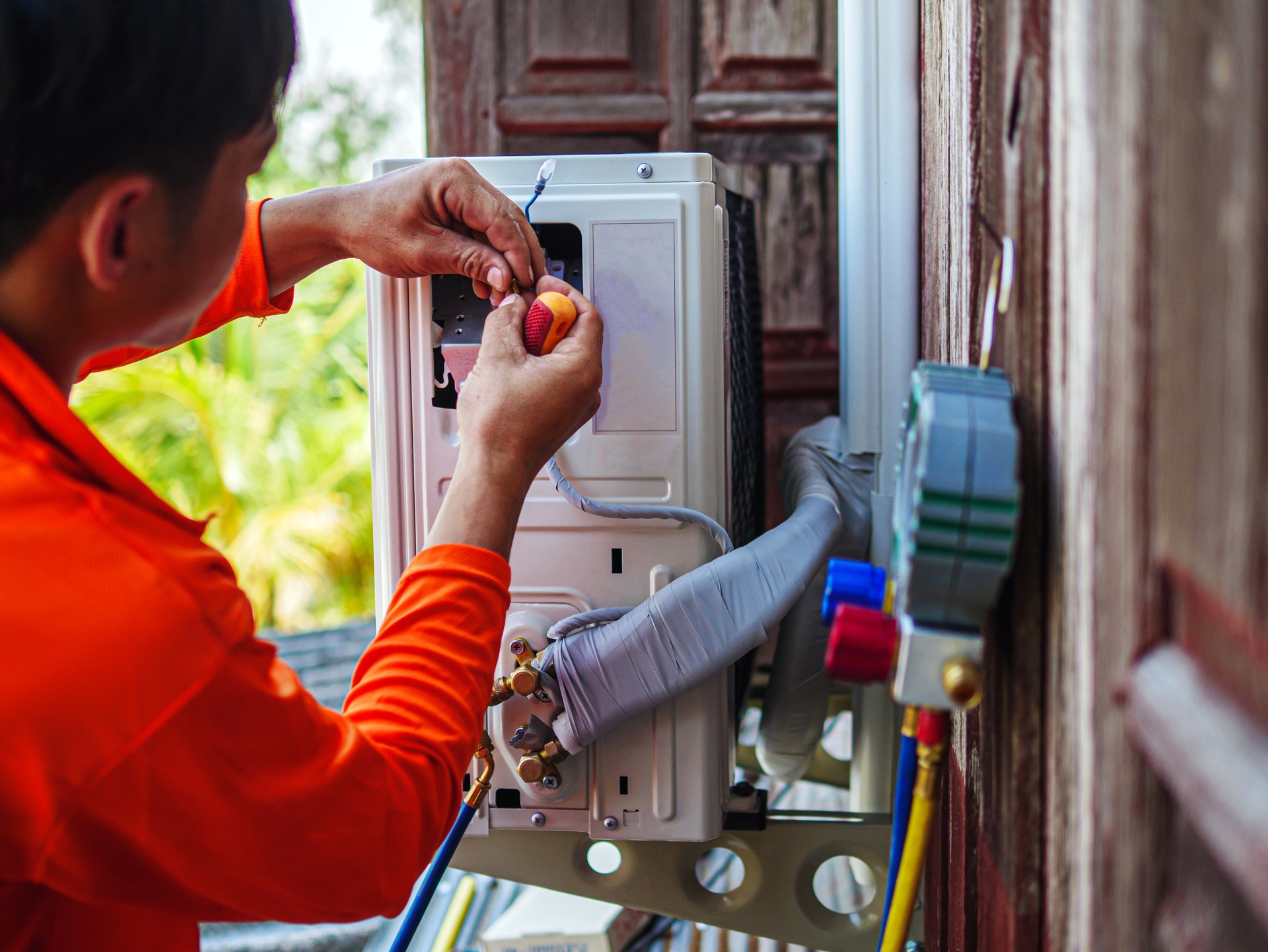
- Inspect electrical panels: Look for discoloration, loose connections, or signs of moisture intrusion. These often indicate underlying electrical problems that can cause trips.
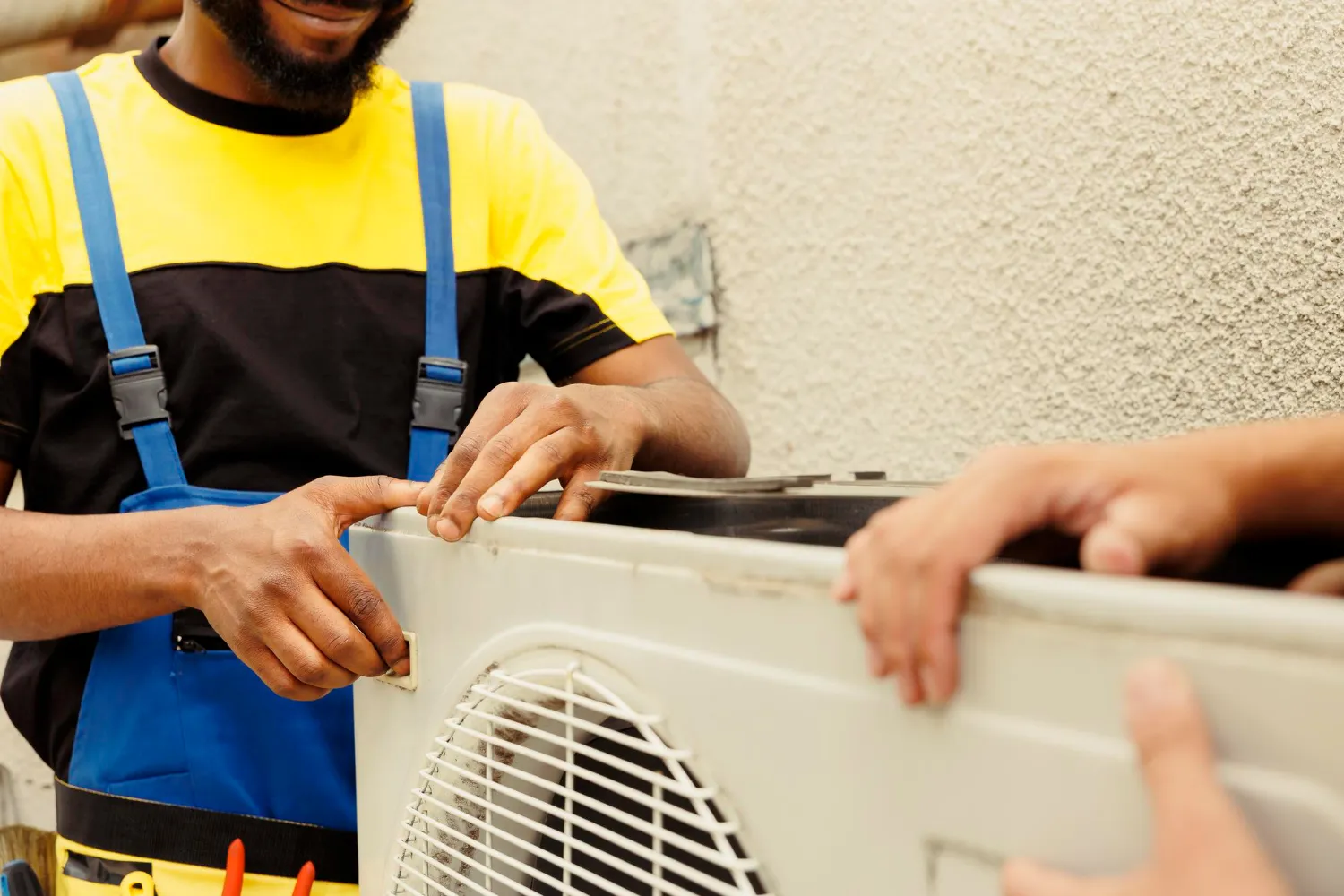

Why does short cycling happen in rooftop AC units?
Short cycling—frequent on/off operation—reduces efficiency and accelerates component wear. It is one of the most common and costly RTU issues.
Common causes
- Airflow restrictions: Dirty coils, clogged filters, or duct issues increase static pressure, forcing systems to shut down prematurely.
- Refrigerant charge problems: Incorrect charge disrupts heat transfer, causing rapid cycling.
- Control system errors: Faulty sensors or incorrect staging logic can cause systems to turn off before completing a cycle.
- Oversized equipment: Units that cool spaces too quickly shut off prematurely, leading to repeated cycling.
Fixes that last
- Restore airflow: Clean coils, replace filters, and measure external static pressure. According to ASHRAE guidelines, proper airflow is critical to system performance
- Verify refrigerant charge: Use manufacturer specifications for superheat and subcooling rather than guesswork.
- Correct control logic: Ensure sensors are properly located and staging delays are configured correctly.
- Evaluate system sizing: Persistent short cycling may require system redesign or variable-speed upgrades.
What causes rooftop AC unit noise and how do you fix it?
Noise complaints often indicate underlying mechanical or airflow problems.
Common noise sources
- Vibration issues: Unbalanced fans, loose components, or missing isolation pads create rattling or humming sounds.
- Airflow noise: High static pressure causes whistling or roaring through ducts and grilles.
- Structural transmission: Vibrations transfer through building structures when isolation is insufficient.
Long-term solutions
- Balance and secure components: Align blower wheels, tighten hardware, and replace damaged fan blades.
- Reduce static pressure: Improve duct design, seal leaks, and optimize filter selection to reduce airflow resistance.
- Add vibration isolation: Install or repair isolation pads and curb connections to minimize structural noise transfer.
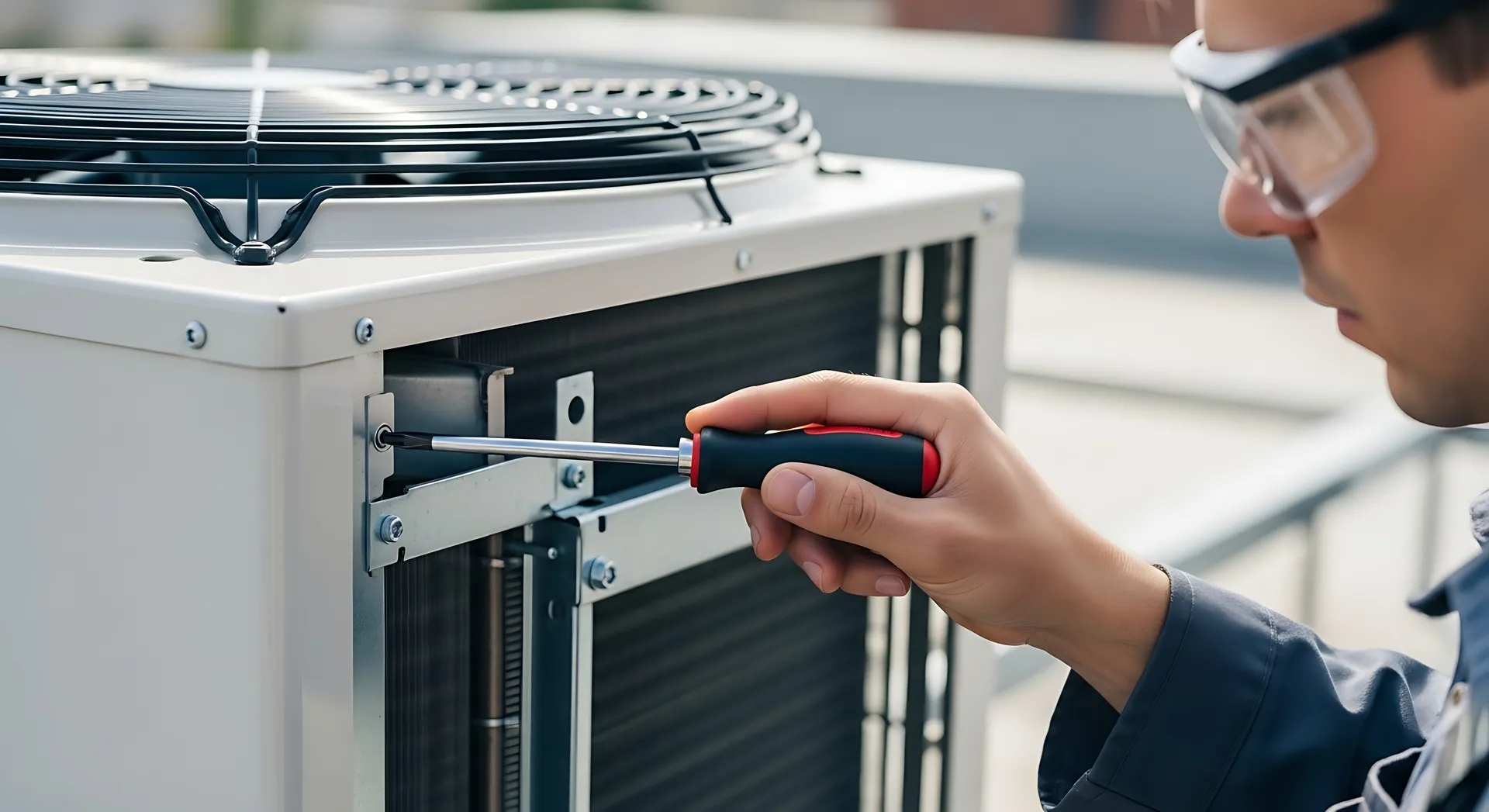
Why do rooftop AC units trip breakers or lock out?
Electrical trips are often symptoms of deeper mechanical or electrical issues—not random failures.
Common causes
- Failing capacitors or contactors: Worn components cause unstable electrical flow and system shutdowns.
- Loose electrical connections: Increased resistance generates heat and intermittent failures.
- High amp draw: Mechanical strain or refrigerant issues increase electrical load beyond safe limits.
- Condensate safety triggers: Blocked drains activate float switches, shutting down systems.
Stabilizing solutions
- Stabilizing solutions
- Tighten and inspect all electrical connections
- Verify proper breaker sizing and system load
- Clean and maintain condensate systems to prevent false shutdowns
What should you measure during troubleshooting?
Accurate measurements ensure reliable diagnostics and prevent guesswork.
- Airflow performance: Measure static pressure, fan speed, and temperature split to verify proper system operation.
- Refrigerant levels: Check superheat and subcooling under stable conditions to confirm correct charge.
- Electrical performance: Record voltage, amperage, capacitor ratings, and component condition.
- Control system behavior: Verify staging, sensor accuracy, and economizer operation.
- Condensate system function: Inspect drainage, traps, and safety switches to ensure proper operation.
How do you prevent recurring rooftop AC unit issues?
Preventive maintenance is the most effective way to reduce repeat failures and service calls.
- Use data-driven filter changes: Monitor pressure drop instead of relying on fixed schedules.
- Keep coils clean: Dirty coils reduce efficiency and increase system strain.
- Calibrate sensors annually: Accurate readings prevent improper cycling and control issues.
- Seal and balance ducts: Proper airflow reduces noise and improves system stability.
Regular maintenance improves efficiency and reduces energy use. The U.S. Department of Energy highlights HVAC maintenance as a key factor in lowering operating costs.
When should you repair vs replace a rooftop unit?
Knowing when to repair or replace helps control long-term costs.
Repair when:
- Issue is isolated to a single component
- Electrical and mechanical performance is within normal range
- System structure and coils are in good condition
Plan replacement when:
- Frequent breakdowns occur
- Coil damage or corrosion is present
- System uses outdated refrigerant
- Short cycling persists despite proper maintenance
How Norse Mechanical helps solve rooftop AC unit issues
Norse Mechanical helps commercial facilities diagnose and resolve rooftop AC unit issues through structured troubleshooting and preventive maintenance. Our team focuses on identifying root causes—not just symptoms—to reduce downtime and improve system performance.
From airflow optimization to electrical diagnostics and system upgrades, we ensure your HVAC systems operate efficiently and reliably year-round.
From airflow optimization to electrical diagnostics and system upgrades, we ensure your HVAC systems operate efficiently and reliably year-round.
What are the next steps to stabilize your rooftop units?
A structured approach ensures long-term reliability.
- Schedule: Identify problem units and prioritize based on severity and impact.
- Diagnose: Perform detailed measurements and inspections to identify root causes.
- Fix and verify: Complete repairs and confirm system performance improvements.
Frequently Asked Questions
Why does my rooftop AC unit keep turning on and off every few minutes?
This usually indicates short cycling caused by airflow restrictions, incorrect refrigerant levels, or control system issues that prevent normal operation.
What causes loud banging or rattling noises from rooftop units?
Noise is often caused by loose components, unbalanced fans, or vibration transferring through the building structure.
How do I know if a breaker trip is an electrical issue or HVAC problem?
If trips are frequent and tied to system operation, it is often caused by high amp draw, failing components, or mechanical strain rather than just electrical faults.
Can dirty filters really cause major HVAC problems?
Yes. Restricted airflow increases system pressure, leading to short cycling, overheating, and reduced efficiency.
How often should rooftop AC units be inspected?
At minimum, twice a year before peak heating and cooling seasons, with additional checks for high-use systems.
When is it no longer worth repairing a rooftop unit?
If repairs are frequent, efficiency is declining, and major components are failing, replacement is often more cost-effective.