
A neglected grease trap can lead to clogged sewer lines, foul odors, wastewater backups, tenant complaints, emergency plumbing calls, and even regulatory violations. For commercial property owners and facility managers, these issues often result in unexpected expenses that far exceed the cost of routine maintenance.
Whether you manage an office building, apartment complex, healthcare facility, hotel, school, manufacturing plant, or mixed-use development, understanding commercial grease trap cleaning costs can help you budget effectively and avoid costly plumbing emergencies.
In this guide, we’ll break down average grease trap cleaning costs, factors that affect pricing, maintenance recommendations, and why preventative service is one of the smartest investments for protecting commercial plumbing systems.
Quick Answer: How Much Does Commercial Grease Trap Cleaning Cost?
- Grease trap size
- Grease accumulation levels
- Accessibility
- Indoor vs outdoor systems
- Service frequency
- Waste disposal requirements
What Is a Commercial Grease Trap?
Without proper grease management, these substances accumulate inside sewer pipes, eventually restricting wastewater flow and causing costly blockages.
How Grease Traps Protect Commercial Plumbing Systems
Grease traps separate wastewater from grease and solids.
As wastewater enters the unit:
- Grease floats to the surface
- Solids settle at the bottom
- Cleaner water exits the system
Grease Trap vs Grease Interceptor
Although often used interchangeably, grease traps and grease interceptors serve slightly different purposes.
- Smaller capacity
- Typically installed indoors
- Often connected to individual fixtures
- Larger capacity
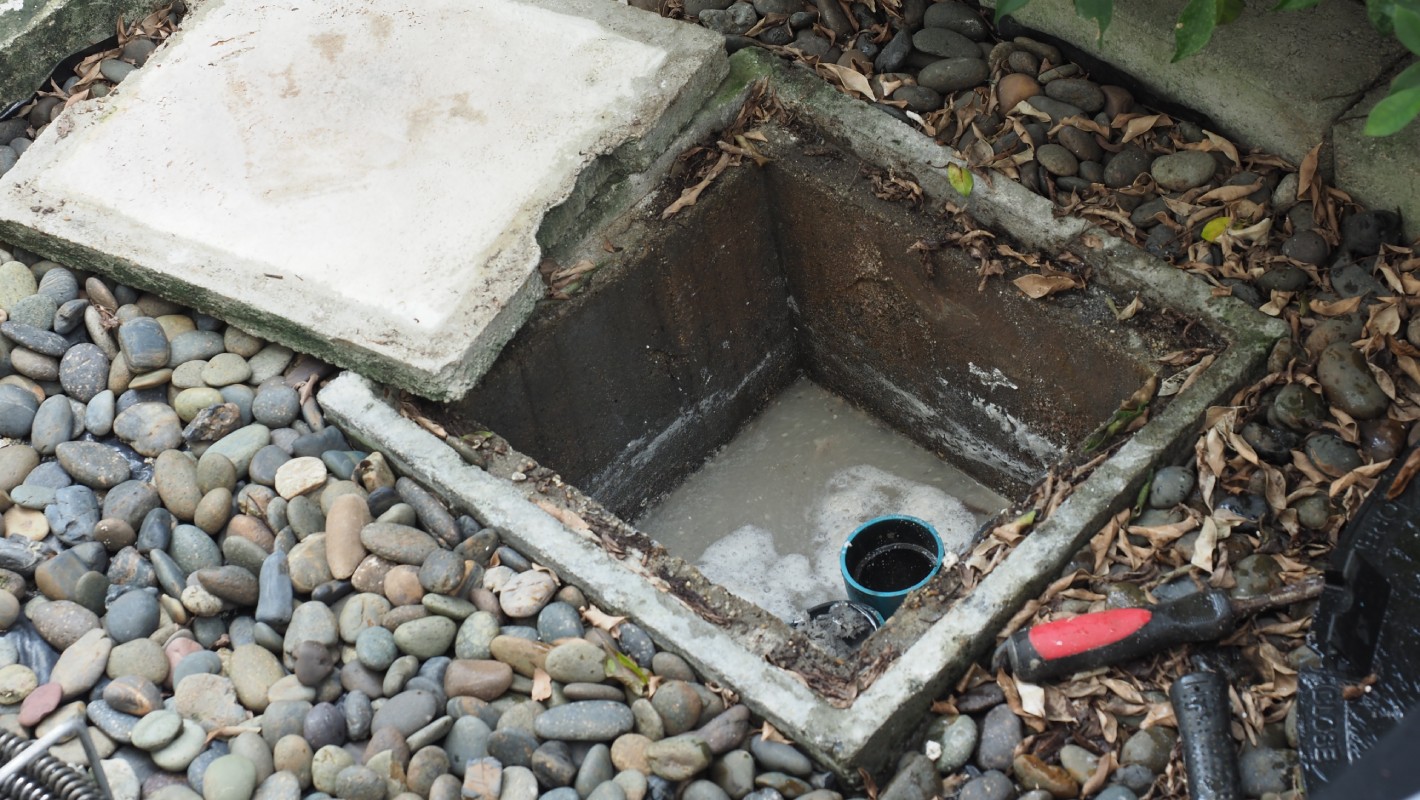
- Usually installed underground outdoors
- Designed to serve entire buildings or multiple tenants
Common Commercial Properties That Use Grease Traps
Office Buildings
Employee kitchens and breakrooms contribute grease to drainage systems.
Healthcare Facilities
Hospitals and healthcare campuses often operate large food service departments.
Schools and Universities
Institutional kitchens generate substantial grease waste.
Hotels
Restaurants, banquet facilities, and catering operations require grease management systems.
Apartment Communities
Shared kitchens and community spaces contribute to grease accumulation.
Commercial Kitchens
Food preparation operations create high grease volumes.
Manufacturing Facilities
Certain manufacturing processes generate oils and grease that require proper separation.
How Much Does Commercial Grease Trap Cleaning Cost?
Average Cost by Grease Trap Size
| System Type | Typical Cost Range |
|---|---|
| Small Indoor Trap | $200–$500 |
| Medium Grease Trap | $400–$900 |
| Large Grease Interceptor | $800–$2,500+ |
| Multi-Tenant Facility Systems | $1,500–$5,000+ |
What’s Included in a Professional Cleaning Service?
A professional grease trap cleaning service typically includes:
- Pumping accumulated grease
- Sludge removal
- Interior cleaning
- Baffle inspection
- Waste disposal
- System condition assessment
- Maintenance documentation
Need a Grease Trap Service Estimate?
Factors That Affect Commercial Grease Trap Cleaning Costs
Grease Trap Size and Capacity
Larger traps hold more waste and require:
- Longer cleaning times
- Larger pumping equipment
- Increased disposal costs
Volume of Grease Accumulation
Facilities with high grease production often require more extensive service.
Excessive buildup increases labor and disposal requirements.
Accessibility of Equipment
Grease traps located in:
- Mechanical rooms
- Underground vaults
- Confined spaces
Indoor vs Outdoor Systems
Outdoor grease interceptors generally cost more to service because of their size and pumping requirements.
Frequency of Service
Regular maintenance typically lowers overall costs by preventing excessive buildup.
Emergency vs Scheduled Maintenance
Emergency service often involves:
- After-hours response
- Weekend rates
- Urgent dispatch fees
Local Disposal and Environmental Fees
Proper grease disposal is regulated and may affect total service pricing.
How Often Should Commercial Grease Traps Be Cleaned?
Understanding the 25% Rule
The industry-standard guideline is the 25% Rule.
A grease trap should be cleaned when grease and solids occupy approximately 25% of the trap’s total capacity.
Exceeding this threshold significantly increases the risk of backups and reduced system performance.
Recommended Cleaning Schedules by Facility Type
Office Buildings
Every 3–6 months
Healthcare Facilities
Every 1–3 months
Hotels
Every 1–3 months
Schools
Every 2–4 months
Multi-Family Properties
Every 2–6 months
Food Service Facilities
Monthly to quarterly
Signs Your Current Schedule Isn’t Enough
You may need more frequent cleaning if you notice:
- Slow drains
- Sewer odors
- Grease accumulation
- Frequent backups
- Increased plumbing service calls
What Happens During a Professional Grease Trap Cleaning?
System Inspection
Technicians inspect the grease trap, piping, and components for signs of wear or damage.
Grease Removal
Accumulated grease and sludge are removed from the system.
Pumping and Waste Disposal
Waste is pumped out and transported for proper disposal.
Baffle Inspection
Internal baffles are checked to ensure proper operation.
Flow Testing
Water flow is evaluated to confirm drainage performance.
Maintenance Documentation
Detailed records help support maintenance planning and compliance requirements.
What Happens If Grease Traps Aren't Maintained?
Neglecting grease trap maintenance can lead to serious plumbing problems.
Drain Backups
Grease buildup restricts wastewater flow and creates recurring clogs.
Sewer Line Blockages
Grease accumulation can obstruct main sewer lines.
Property Damage
Backups and overflows can damage flooring, walls, equipment, and building contents.
Foul Odors
Decomposing grease produces unpleasant odors throughout the property.
Tenant Complaints
Odors and drainage problems negatively impact occupant satisfaction.
Operational Disruptions
Plumbing failures can interrupt normal business operations.
Emergency Plumbing Costs
Emergency repairs are significantly more expensive than routine maintenance.
Potential Compliance Violations
Some facilities may face inspections, citations, or fines if grease systems are not properly maintained.
Signs Your Commercial Grease Trap Needs Immediate Service
Schedule professional service immediately if you notice:
Slow Drains
Water drains slower than normal throughout the building.
Recurring Backups
Repeated drainage issues often indicate grease accumulation.
Standing Water
Pooling water near drains may signal a blockage.
Grease Overflow
Visible grease around the trap requires immediate attention.
Strong Odors
Persistent sewer odors often indicate excessive grease buildup.
Frequent Plumbing Service Calls
Repeated plumbing issues suggest preventative maintenance is overdue.
Grease Trap Cleaning vs Emergency Plumbing Repairs: Which Costs More?
| Service Type | Typical Cost Impact |
|---|---|
| Routine Grease Trap Cleaning | Low |
| Preventative Maintenance Program | Low |
| Emergency Sewer Backup Repair | High |
| Water Damage Restoration | Very High |
| Sewer Excavation | Very High |
| Business Interruption Costs | Significant |
How Grease Trap Maintenance Protects Commercial Plumbing Systems
Preventing Sewer Line Repairs
Regular cleaning prevents grease from accumulating inside sewer pipes.
Reducing Hydro Jetting Frequency
Maintained systems generally require fewer aggressive drain cleaning services.
Protecting Municipal Sewer Connections
Grease management helps reduce stress on public infrastructure.
Extending Plumbing System Lifespan
Cleaner systems experience less wear and fewer failures.
Reducing Emergency Calls
Routine maintenance minimizes unexpected plumbing emergencies.
How Norse Mechanical Helps Minnesota Facilities Manage Grease Trap Maintenance
- Preventative maintenance programs
- Scheduled grease trap cleaning
- Grease interceptor pumping
- Emergency plumbing support
- Multi-property maintenance programs
- Commercial sewer and drain services
Final Thoughts
The good news is that routine grease trap cleaning is relatively affordable compared to the cost of emergency plumbing repairs. By following recommended maintenance schedules, monitoring grease accumulation, and partnering with an experienced commercial plumbing contractor, property owners can significantly reduce risk while extending the life of their plumbing infrastructure.
For Minnesota businesses, schools, healthcare facilities, hotels, apartment communities, and commercial properties, proactive grease trap maintenance remains one of the most effective ways to prevent unexpected plumbing emergencies and control long-term facility operating costs.