
Introduction: When Commercial HVAC Repairs Stop Making Sense
Every commercial building eventually faces the same question: should an aging HVAC system be repaired again, or is replacement the smarter long-term move? As systems age, breakdowns become more frequent, energy efficiency declines, and repair costs start to stack up. According to data published by the U.S. Department of Energy, inefficient HVAC equipment can account for nearly 40% of total commercial building energy use, making older systems a major operational liability when they fall behind modern efficiency standards (U.S. Department of Energy – Commercial HVAC Overview).
This article explains how to evaluate repair versus replacement decisions for aging commercial HVAC systems, using real-world cost factors, system lifespan data, and risk considerations that affect business continuity.
Understanding the Typical Lifespan of Commercial HVAC Systems
Most commercial HVAC equipment is designed for long service life, but no system lasts forever. According to lifecycle data published by ASHRAE, commercial rooftop units and split systems typically last 15–25 years, depending on usage, maintenance, and operating environment (ASHRAE HVAC Applications Handbook).
Key factors that shorten HVAC lifespan include:
-
Continuous operation without seasonal downtime
-
Poor preventive maintenance practices
-
Oversized or undersized system design
-
Exposure to harsh outdoor conditions
When systems approach the latter half of their expected lifespan, the probability of major component failure rises sharply.
The True Cost of Repeated Commercial HVAC Repairs
On the surface, repairing an HVAC system often appears cheaper than replacing it. However, short-term savings can hide long-term financial risk. Research from ENERGY STAR shows that older commercial HVAC systems can consume 20–40% more energy than high-efficiency replacements, even when functioning “normally”.
Common hidden costs of ongoing repairs include:
-
Escalating labor expenses as failures become more complex
-
Emergency service premiums for after-hours breakdowns
-
Increased energy consumption from worn components
-
Productivity losses due to temperature-related disruptions
When annual repair costs exceed 25–30% of replacement cost, many facility professionals consider replacement the financially responsible option.
When Repair Still Makes Business Sense
Not every aging system requires immediate replacement. Repair may be the better option when:
-
The system is under 12–15 years old
-
Failures are isolated, not systemic
-
Energy performance remains within acceptable ranges
-
Replacement capital budgets are constrained
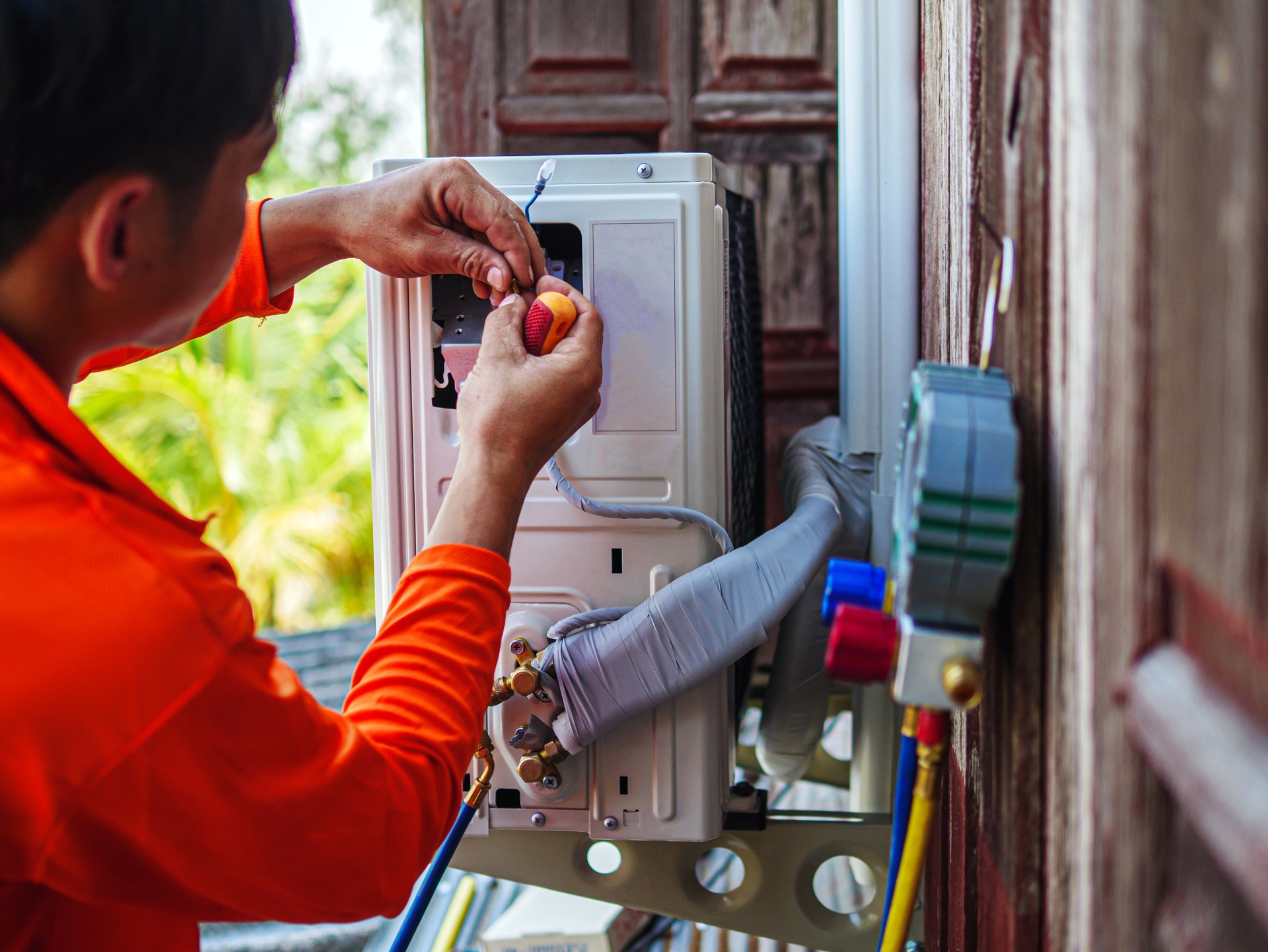
Minor component failures such as fan motors, contactors, sensors, or control boards often justify repair—especially when the core heating and cooling components remain structurally sound.
Signs Replacement Is the Safer Long-Term Decision
Replacement becomes the smarter choice when multiple warning signs appear simultaneously. These include:
-
Repeated compressor or heat exchanger failures
-
Increasing frequency of service calls
-
Difficulty sourcing replacement parts
-
Non-compliance with modern efficiency or safety codes
The U.S. Environmental Protection Agency notes that newer HVAC systems are engineered to meet stricter efficiency standards that older units simply cannot achieve, even with extensive repairs (EPA Commercial Building Energy Efficiency).
Energy Efficiency, Operating Costs, and ROI
Modern commercial HVAC systems are designed with advanced controls, variable-speed motors, and improved heat transfer technology. These upgrades can deliver 15–35% reductions in annual energy costs, depending on building usage patterns.
When evaluating ROI, decision-makers should consider:
-
Energy savings over 10–15 years
-
Reduced repair frequency
-
Lower emergency downtime risk
-
Improved occupant comfort and air quality
In many cases, energy savings alone offset a significant portion of replacement cost within the first decade of operation…
Risk Management and Business Continuity Considerations
Commercial HVAC failures rarely occur at convenient times. Unexpected breakdowns can halt operations, damage inventory, and disrupt occupants. Studies cited by the National Institute of Building Sciences show that proactive system upgrades significantly reduce operational risk in mission-critical environments (NIBS Building Systems Resilience).
Replacement planning allows:
-
Controlled scheduling instead of emergency outages
-
Phased upgrades for large facilities
-
Predictable budgeting and reduced liability
Frequently Asked Questions
How do you decide whether to repair or replace a commercial HVAC system?
The decision depends on system age, repair frequency, energy efficiency, and whether repair costs exceed a reasonable percentage of replacement cost.
What is the average lifespan of a commercial HVAC system?
Most commercial HVAC systems last between 15 and 25 years, depending on maintenance quality and usage conditions.
Is replacing a commercial HVAC system more cost-effective long term?
In many cases, replacement reduces energy costs, minimizes downtime risk, and lowers total cost of ownership over the system’s life.
Conclusion: Making the Right HVAC Investment Decision
Choosing between repair and replacement for an aging commercial HVAC system is not just a technical decision—it’s a financial and operational strategy. By evaluating system age, repair trends, efficiency losses, and business risk, decision-makers can avoid reactive spending and plan upgrades that support long-term performance.
If your commercial HVAC system is showing signs of decline, proactive assessment today can prevent costly emergencies tomorrow.
Prevent HVAC Breakdowns at Home Before Replacement Becomes the Only Option
The same issues that force commercial HVAC replacement—neglected maintenance, rising repair costs, and declining efficiency—also affect residential systems over time. Norse Home Solutions helps homeowners in Woodbury, MN and nearby cities extend the life of their heating and cooling equipment through proactive inspections, system performance checks, and early-stage repairs.
By identifying wear, airflow issues, and efficiency losses early, our residential HVAC specialists help homeowners avoid sudden breakdowns and unnecessary full system replacements. Schedule a preventive home HVAC check today and protect your system before costly decisions become unavoidable.