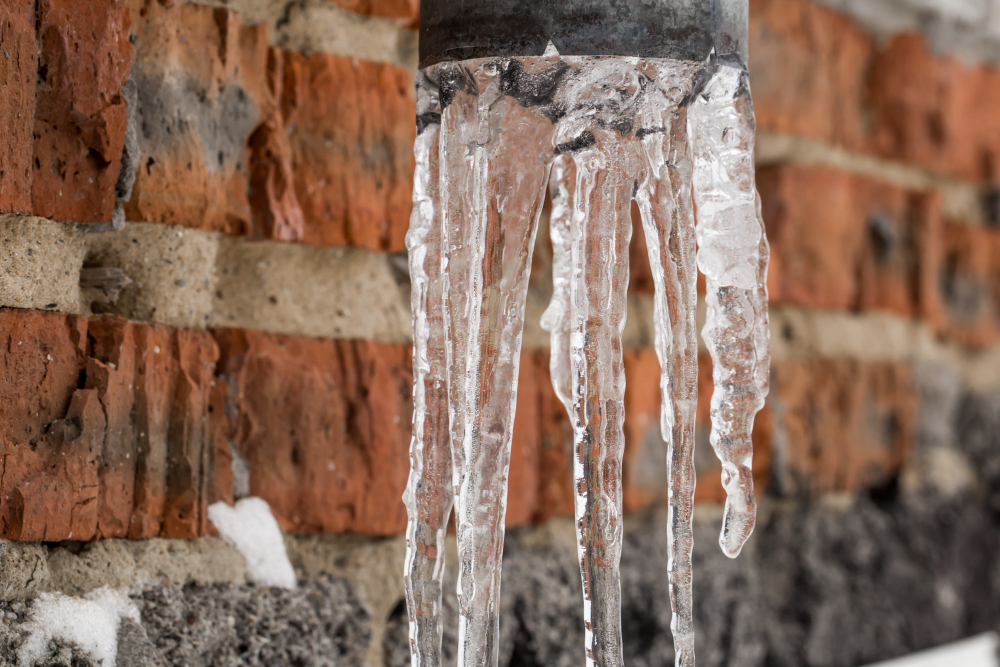

Minnesota winters can be brutal on commercial plumbing systems. When temperatures plunge below freezing for extended periods, frozen pipes become one of the most expensive emergencies commercial property owners face.
A burst pipe in a commercial building can shut down operations, damage inventory, flood offices, disrupt tenants, and create massive repair costs within hours. In severe cases, businesses may face days or even weeks of downtime due to water damage restoration and plumbing repairs.
For Minnesota businesses, frozen pipe emergencies are not rare events—they are recurring seasonal risks that require preparation and fast response.
This guide explains:
A burst pipe in a commercial building can shut down operations, damage inventory, flood offices, disrupt tenants, and create massive repair costs within hours. In severe cases, businesses may face days or even weeks of downtime due to water damage restoration and plumbing repairs.
For Minnesota businesses, frozen pipe emergencies are not rare events—they are recurring seasonal risks that require preparation and fast response.
This guide explains:
- Why commercial pipes freeze
- Early warning signs before pipes burst
- Emergency steps to take immediately
- Commercial burst pipe repair costs in Minnesota
- Water damage considerations
- Prevention strategies for commercial properties
Understanding these risks before extreme cold arrives can save businesses thousands of dollars in emergency repairs and operational losses.
Why Frozen Pipes Are Common in Minnesota Commercial Buildings
Minnesota consistently experiences some of the coldest winter temperatures in the United States. During prolonged cold snaps, commercial plumbing systems become vulnerable when internal water temperatures drop below freezing.
As water freezes, it expands inside the pipe. This expansion creates pressure buildup that can eventually rupture piping systems, fittings, valves, or sprinkler lines.
Commercial buildings face elevated risk because of:
As water freezes, it expands inside the pipe. This expansion creates pressure buildup that can eventually rupture piping systems, fittings, valves, or sprinkler lines.
Commercial buildings face elevated risk because of:
- Large plumbing networks
- Long pipe runs
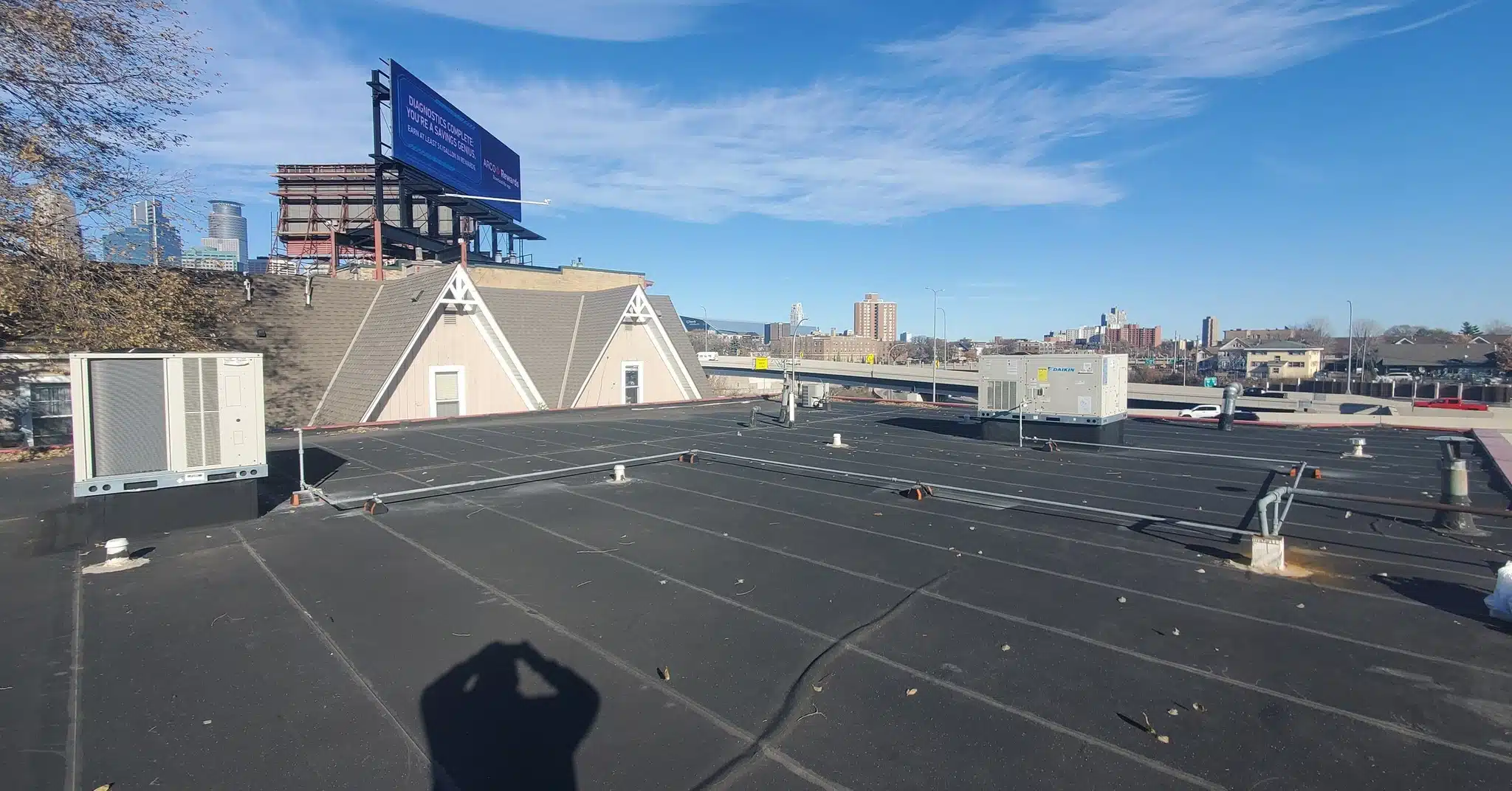
- Rooftop mechanical systems
- Vacant suites
- Warehouse spaces
- Exterior wall plumbing
- Unheated utility areas
Unlike residential systems, commercial plumbing infrastructure is often more complex and expensive to repair after freeze damage occurs.
Buildings most vulnerable to frozen commercial pipes include:
Buildings most vulnerable to frozen commercial pipes include:
- Office buildings
- Retail centers
- Warehouses
- Apartment complexes
- Schools
- Healthcare facilities
- Industrial facilities
Even newer commercial properties can experience severe plumbing freeze damage if winterization measures are inadequate.
What Causes Commercial Pipes to Burst
Frozen pipe bursts usually occur due to multiple contributing factors rather than a single issue.
Below are the most common causes of commercial plumbing freeze damage in Minnesota
Poor Insulation
Insufficient insulation is one of the leading causes of frozen commercial pipes.
Pipes located in:
- Exterior walls
- Rooftop mechanical rooms
- Loading docks
- Crawlspaces
- Parking garages
- Utility chases
Are especially vulnerable during subzero weather.
Without adequate insulation, pipes lose heat rapidly when outdoor temperatures drop.
Vacant Spaces
Vacant tenant suites or underused commercial spaces create major freeze risks.
When areas remain unoccupied:
When areas remain unoccupied:
- Thermostats may be lowered excessively
- Air circulation decreases
- Heating becomes inconsistent
- Freeze risks go unnoticed longer
Vacant retail units and office suites commonly experience hidden frozen pipe problems during weekends or holiday closures.
Extreme Cold Exposure
Minnesota cold waves can overwhelm even properly functioning systems.
Temperatures below 0°F significantly increase the likelihood of:
Temperatures below 0°F significantly increase the likelihood of:
- Pipe freezing
- Sprinkler line freezing
- Condensate line blockage
- Mechanical failures
Extended exposure is especially dangerous when wind chills accelerate heat loss near exterior walls and rooftop plumbing components.
Heating Failures
Commercial heating system failures are a major trigger for burst pipes. If boilers, furnaces, or rooftop HVAC systems stop operating during winter:
- Interior temperatures drop rapidly
- Pipes freeze within hours
- Sprinkler systems become vulnerable
- Water expansion damages plumbing infrastructure
In many commercial freeze events, the original issue is actually HVAC failure rather than the plumbing system itself.
Signs Pipes Are Freezing Before They Burst
Early detection can prevent catastrophic pipe failures.
Common warning signs include:
Reduced Water Flow
A partial blockage from ice buildup may reduce water pressure before the pipe fully freezes.
Frost on Pipes
Visible frost or condensation on exposed plumbing is a major warning sign.
Strange Plumbing Noises
Whistling, banging, or gurgling sounds may indicate ice restricting water movement.
Uneven Building Temperatures
Cold zones within a building often indicate heating deficiencies that increase freeze risk.
Sprinkler System Alerts
Frozen sprinkler pipes in commercial buildings may trigger:
- Pressure alarms
- Supervisory alerts
- Flow irregularities
Sprinkler freeze damage is especially dangerous because failures can compromise fire protection systems.
Emergency Steps During a Pipe Burst
When a commercial pipe bursts, immediate action is critical to reduce damage and downtime.
Step 1: Shut Off the Water Supply
Locate and close the building’s main water shutoff valve immediately.
This helps minimize:
- Flooding
- Structural damage
- Inventory loss
- Electrical hazards
Commercial property managers should always know where emergency shutoff valves are located before winter begins.
Step 2: Shut Off Electricity Near Flooded Areas
If water approaches electrical systems:
- Turn off affected circuits if safe
- Avoid standing water
- Contact qualified professionals immediately
Electrical hazards increase significantly during commercial flooding events.
Step 3: Contact Emergency Plumbing Repair Professionals
Emergency pipe burst repair requires rapid response to:
- Isolate damaged sections
- Restore plumbing operation
- Prevent additional freezing
- Assess system-wide damage
Commercial plumbers may also use:
- Leak detection equipment
- Thermal imaging
- Pipe thawing technology
Step 4: Begin Water Mitigation
Standing water should be removed quickly to reduce:
- Mold growth
- Flooring damage
- Ceiling collapse
- Structural deterioration
Professional restoration may be necessary for large-scale flooding.
Step 5: Document Damage for Insurance
Take photos and document:
- Pipe failures
- Water intrusion
- Damaged equipment
- Affected inventory
- Business interruption losses
Commercial insurance claims often require detailed documentation.
Commercial Burst Pipe Repair Costs
Commercial burst pipe repair costs in Minnesota vary depending on:
- Pipe location
- Severity of damage
- Accessibility
- Building size
- Water damage extent
- Emergency response timing
Typical Commercial Pipe Repair Costs
| Repair Type | Estimated Cost |
|---|---|
| Minor pipe repair | $500–$2,000 |
| Ceiling pipe repair | $2,000–$7,000 |
| Frozen sprinkler pipe repair | $3,000–$15,000+ |
| Major commercial water line repair | $10,000–$50,000+ |
After-hours emergency plumbing service often increases labor costs during severe winter weather events.
Hidden Costs After Pipe Bursts
Many commercial property owners underestimate secondary damage expenses.
Additional costs may include:
Additional costs may include:
- Drywall replacement
- Flooring repair
- Mold remediation
- Inventory loss
- Equipment replacement
- Tenant relocation
- Business interruption
In large commercial buildings, total freeze damage claims can reach six figures.
24/7 Emergency Commercial Pipe Burst Repair
Frozen pipe emergency? Fast response helps minimize flooding, water damage, business interruption, and costly structural repairs. Contact emergency commercial plumbing professionals immediately to isolate burst pipes, restore water service, and protect your Minnesota property during extreme winter conditions.
Water Damage Cleanup Considerations
Water damage spreads rapidly in commercial buildings.
Within hours, moisture can affect:
Within hours, moisture can affect:
- Walls
- Flooring
- Insulation
- Electrical systems
- Furniture
- Server rooms
- Inventory
Professional drying equipment is often necessary to prevent long-term damage.
Mold Risks After Pipe Bursts
Mold growth may begin within 24–48 hours after water intrusion.
Commercial mold contamination can create:
Commercial mold contamination can create:
- Health concerns
- Occupancy issues
- Regulatory problems
- Expensive remediation projects
Fast cleanup significantly reduces these risks.
Important Areas Often Overlooked
After pipe bursts, hidden moisture frequently remains inside:
- Wall cavities
- Ceiling spaces
- HVAC ductwork
- Mechanical rooms
- Flooring systems
Professional moisture inspections help identify concealed damage before problems worsen.
Preventing Frozen Pipes in Commercial Buildings
Preventative maintenance is the best defense against costly commercial freeze damage.
Insulate Vulnerable Pipes
Focus on:
- Exterior walls
- Rooftop systems
- Utility spaces
- Mechanical rooms
- Loading docks
Proper insulation greatly reduces freeze risk.
Maintain Consistent Building Temperatures
Avoid lowering temperatures excessively during nights, weekends, or vacant periods.
Even temporary heating reductions can increase freeze exposure during Minnesota cold snaps.
Schedule Winterization Inspections
Professional winterization inspections can identify:
- Vulnerable piping
- Insulation gaps
- Heating deficiencies
- Draft exposure
- Mechanical risks
Fall inspections are ideal before severe winter conditions arrive.
Monitor Vacant Spaces
Vacant commercial suites should still maintain:
- Heat circulation
- Routine inspections
- Plumbing monitoring
Many burst pipe disasters occur in temporarily vacant spaces.
Inspect Sprinkler Systems
Frozen sprinkler pipes are a major commercial risk.
Annual inspections should verify:
- Heat tracing
- Dry pipe operation
- Valve functionality
- System pressure stability
Minnesota Commercial Freeze Protection Checklist
Before winter arrives, commercial property managers should confirm:
- Plumbing insulation inspected
- Rooftop mechanical areas secured
- Building heat maintained
- Sprinkler systems tested
- Leak detection systems operational
- Emergency shutoff locations documented
- Winter maintenance agreements active
Proactive preparation can prevent emergency plumbing disasters during extreme cold events.
Final Thoughts
Frozen commercial pipes remain one of the most expensive and disruptive winter emergencies for Minnesota businesses.
A single burst pipe can damage property, interrupt operations, compromise fire protection systems, and create massive restoration costs within hours.
The best protection is proactive preparation:
A single burst pipe can damage property, interrupt operations, compromise fire protection systems, and create massive restoration costs within hours.
The best protection is proactive preparation:
- Winterization inspections
- Proper insulation
- Consistent building heat
- Early freeze detection
- Preventative maintenance
Minnesota winters are predictable. Pipe bursts are often preventable.
Taking action before extreme cold arrives can protect your building, tenants, employees, and business continuity throughout the winter season.
Taking action before extreme cold arrives can protect your building, tenants, employees, and business continuity throughout the winter season.
Schedule a Commercial Freeze Protection Inspection
Prepare your commercial property before Minnesota temperatures drop below freezing. A professional inspection can identify vulnerable plumbing lines, insulation gaps, sprinkler system risks, and heating issues before they lead to expensive frozen pipe emergencies.