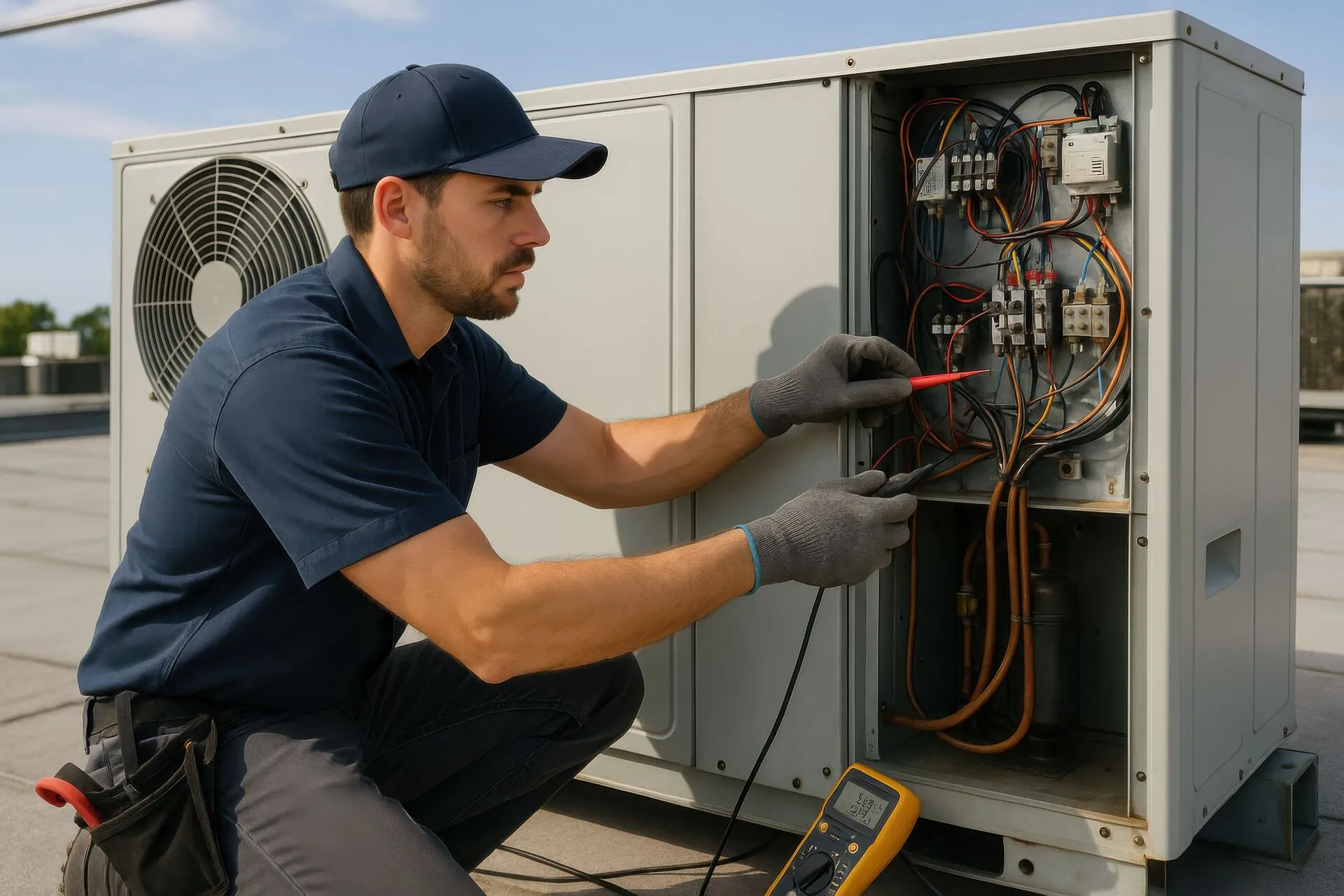

Winter HVAC failures are rarely sudden—they are usually the result of small, overlooked issues that compound under peak demand. Preparing your heating system before temperatures drop is one of the most cost-effective ways to avoid emergency repairs, reduce energy waste, and maintain consistent indoor comfort across commercial spaces. In this Winter Prep Guide, we’ll discuss some tips, maintenance and prevention to secure your facilities during winter season.
Why is winter heating system preparation critical for commercial buildings?
Heating systems operate under sustained load during winter, which exposes any existing weaknesses in airflow, controls, or mechanical components.
- Reliability under peak demand: Small faults—like restricted airflow or weak electrical components—can trigger full system failures when heating demand spikes.
- Energy efficiency control: Systems that are clean and calibrated require less energy to maintain setpoints, lowering operational costs across the season.
- Occupant comfort stability: Inconsistent heating leads to tenant complaints, productivity loss, and increased service requests.
According to the U.S. Department of Energy, proper HVAC maintenance can significantly reduce energy consumption and improve system lifespan
What quick winter prep actions can facilities teams start this week?
These immediate actions address the most common causes of heating inefficiency and breakdowns.
- Change or clean air filters: Dirty filters restrict airflow, forcing systems to overwork and increasing the risk of overheating or shutdown.
- Verify thermostat settings: Ensure correct heating mode, accurate scheduling, and proper occupied/unoccupied setpoints to prevent unnecessary runtime.
- Clear vents and returns: Blocked airflow reduces system performance and creates uneven heating throughout the building.
- Improve equipment access: Keeping mechanical areas clear allows for faster inspections and safer service interventions.
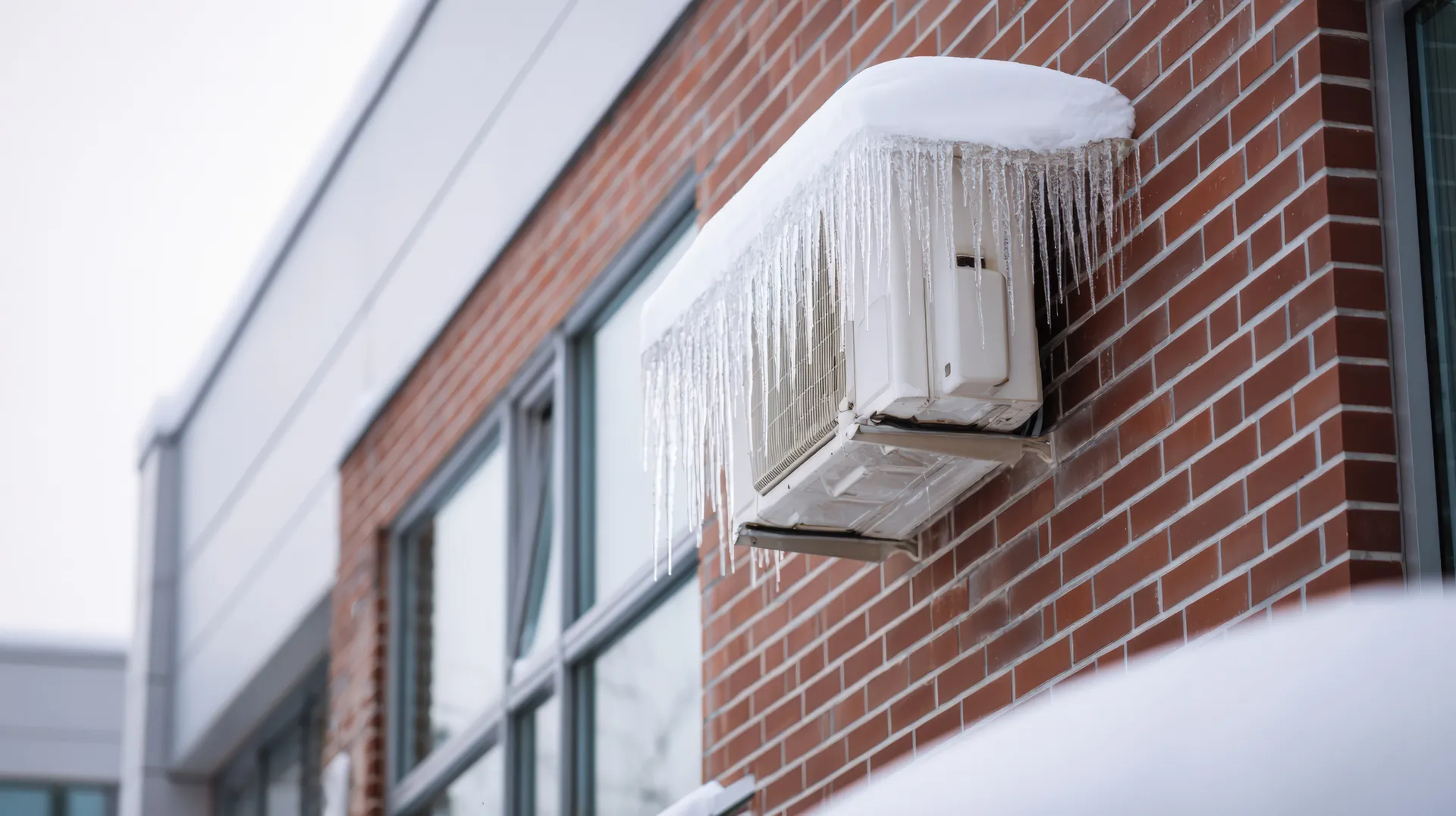
- Perform visual inspections: Early signs like rust, corrosion, or staining often indicate developing mechanical or moisture-related issues.
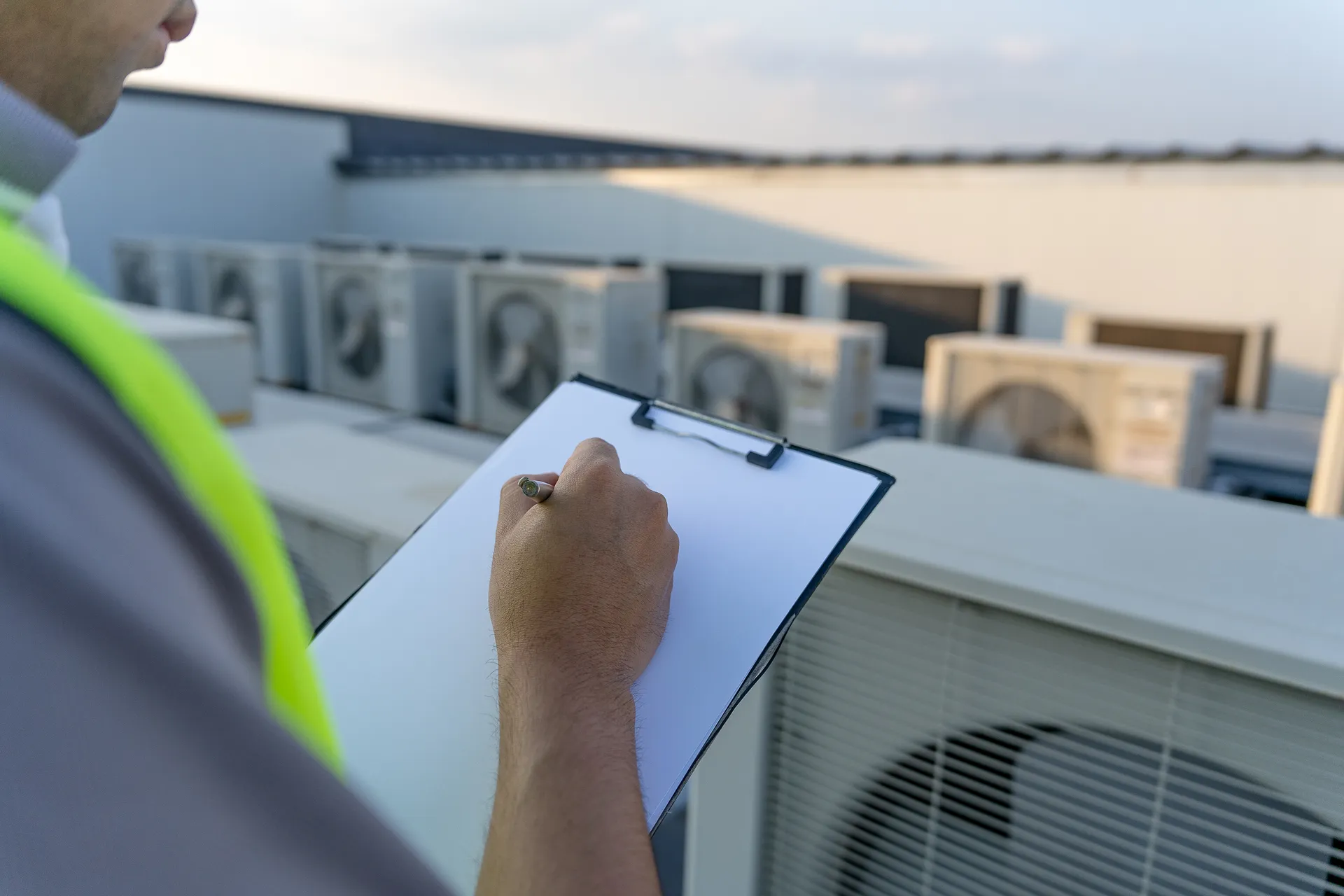
- Document system behavior: Recording unusual sounds, odors, or cycling patterns helps technicians diagnose issues faster and more accurately.
- Check safety devices: Functional carbon monoxide detectors and alarms are critical for occupant safety and compliance.
- Maintain condensate lines: Blocked drains can cause system shutdowns or water damage, especially in high-efficiency heating systems.
- Weatherproof building openings: Sealing drafts reduces heating load and improves overall system efficiency.
- Stock critical spare parts: Having filters, belts, and batteries on hand reduces downtime when issues arise.

What professional HVAC services should be scheduled before winter?
Internal maintenance is essential, but professional servicing ensures the system performs correctly under real operating conditions.
- Furnace and burner inspection: Identifies combustion inefficiencies, ignition issues, and wear that can lead to failure.
- Airflow performance testing: Measuring static pressure and temperature split ensures proper heat distribution.
- Electrical system validation: Confirms safe operation of controls, wiring, and safety mechanisms.
- Combustion safety checks: Ensures proper venting and eliminates risks like carbon monoxide exposure.
- Performance documentation: Pre- and post-service readings provide a benchmark for ongoing system monitoring.
These steps align with best practices recommended byASHRAE, which emphasizes regular inspection and performance verification for commercial HVAC systems.
What should facilities teams check weekly during winter?
A simple weekly routine helps catch problems before they escalate into costly repairs.
- Listen for abnormal startup noises: Unusual sounds often indicate mechanical wear or airflow issues.
- Check for leaks or odors: Moisture or burning smells may signal system inefficiencies or safety risks.
- Verify thermostat performance: Ensure schedules still match occupancy patterns to avoid unnecessary heating.
How does plumbing and drainage impact winter HVAC performance?
Heating system reliability is closely tied to plumbing and drainage conditions, especially in cold environments.
- Insulate exposed piping: Prevents freezing and potential pipe bursts in vulnerable areas.
- Exercise shutoff valves: Ensures valves function properly during emergencies.
- Prime floor drains: Maintains trap seals to prevent sewer gas intrusion.
- Prepare exterior hose connections: Reduces risk of freezing and water damage.
Ignoring these factors can lead to system downtime and costly repairs beyond HVAC alone.
When should you call a professional immediately?
Certain warning signs indicate urgent issues that require immediate attention.
- Burning smells or electrical arcing: Signals potential electrical failure or fire hazard.
- Repeated breaker trips or short cycling: Indicates deeper mechanical or electrical problems.
- No heat from supply vents: Suggests system failure or airflow blockage.
- Carbon monoxide alarm activation: Requires immediate evacuation and professional inspection.
- Persistent odors or water near equipment: Points to drainage or combustion issues.
How Norse Mechanical helps prepare your heating system for winter
Norse Mechanical provides comprehensive winter preparation services designed to identify risks before they become failures. Our team focuses on system diagnostics, airflow optimization, and safety validation to ensure reliable performance during peak demand.
From preventive maintenance to full system evaluations, we help facilities reduce downtime, control costs, and maintain consistent comfort throughout the winter season.
From preventive maintenance to full system evaluations, we help facilities reduce downtime, control costs, and maintain consistent comfort throughout the winter season.
What are the long-term benefits of proactive winter preparation?
Taking a structured approach to winter prep delivers measurable operational advantages.
- Reduced emergency repairs: Early detection prevents unexpected breakdowns and costly service calls.
- Lower energy costs: Efficient systems consume less energy under continuous operation.
- Extended equipment lifespan: Proper maintenance reduces wear and delays replacement cycles.
- Improved tenant satisfaction: Stable indoor conditions reduce complaints and improve retention.
Frequently Asked Questions
Why do heating systems fail right when winter starts?
Most failures occur because systems haven’t been used heavily for months, allowing hidden issues like dirty filters, worn components, or airflow restrictions to go unnoticed until demand increases.
How much can poor winter HVAC preparation increase energy costs?
Inefficient systems can increase energy usage by 10–30% due to restricted airflow, dirty components, or incorrect settings.
What’s the most common issue found during winter HVAC inspections?
Airflow problems—caused by dirty filters, blocked vents, or duct issues—are the most frequent and often lead to larger system failures.
Should commercial buildings service heating systems annually or more often?
At minimum, once per year before winter. High-use buildings may require additional mid-season inspections.
Can thermostat settings really impact heating performance that much?
Yes. Incorrect schedules or setpoints can cause unnecessary runtime, uneven heating, and increased energy costs.
When is winter prep too late to prevent HVAC issues?
Once systems are under full load during peak winter, it becomes reactive rather than preventive. Early preparation before temperature drops is critical.