
What hidden plumbing problems exist in commercial buildings?
Small commercial plumbing issues rarely stay small. A slow drain, minor leak, or pressure fluctuation can escalate into water damage, business downtime, and expensive emergency repairs. Understanding the early warning signs — and the decision logic behind repair vs replacement — protects your building, tenants, and operating budget.
Most commercial plumbing issues develop gradually. They often go unnoticed because they do not immediately disrupt operations. However, these “minor” symptoms signal deeper system stress.
Slow drains in restrooms or kitchens
A slow-draining fixture often indicates buildup inside branch lines or main sewer laterals. In restaurants and commercial kitchens, grease accumulation is a common contributor. According to the Environmental Protection Agency, fats, oils, and grease are leading causes of sewer overflows in commercial properties.
Minor pipe leaks behind walls
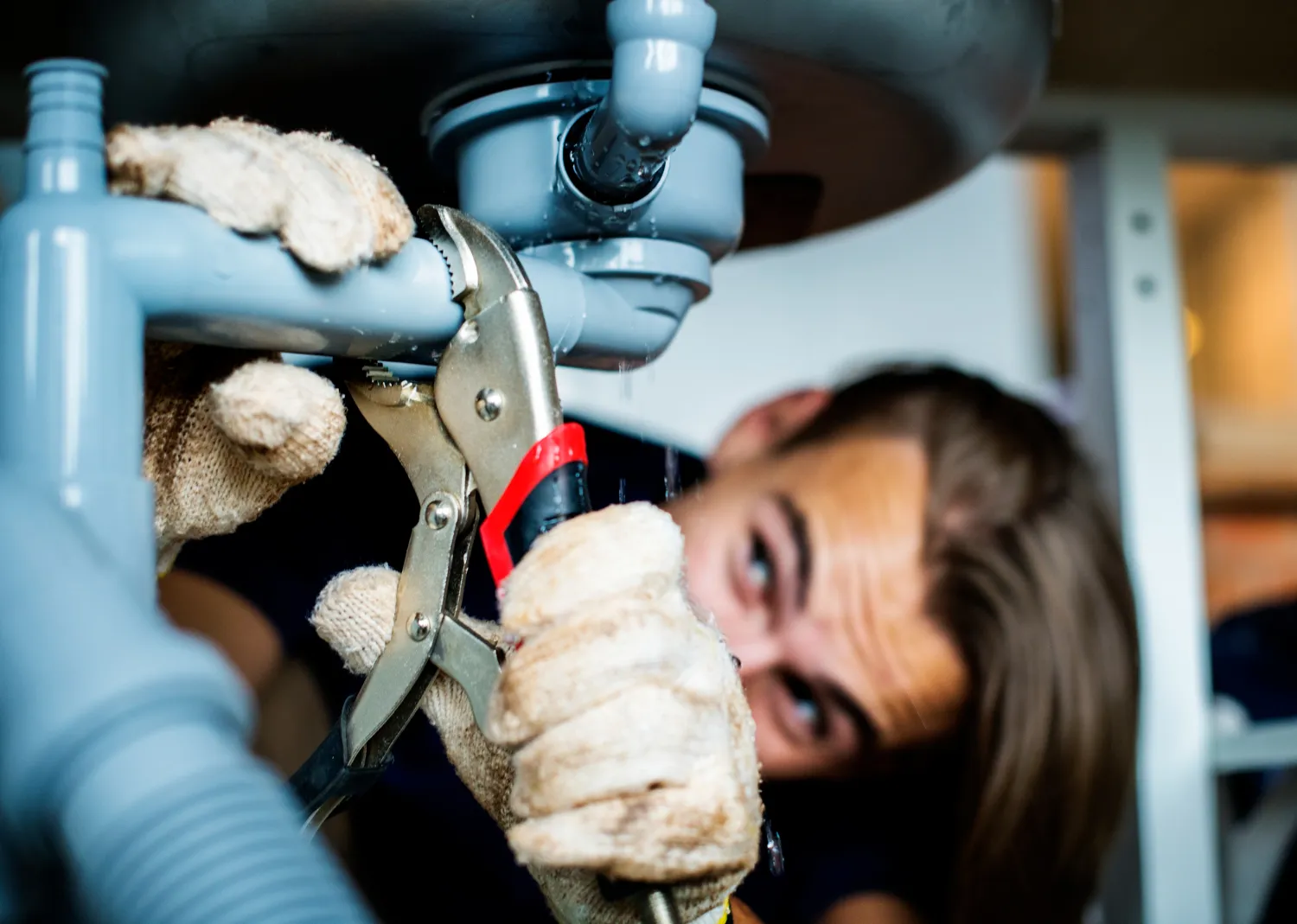
Small leaks inside walls or ceilings may not be visible until water stains appear. Corrosion, vibration, and aging fittings are frequent causes. Even a pinhole leak can waste thousands of gallons annually.
Pressure fluctuations
Inconsistent water pressure may indicate valve wear, sediment buildup, or failing regulators. This stresses fixtures and appliances, increasing repair frequency.
Sewer odors
Unpleasant odors in commercial restrooms often signal trap seal evaporation, cracked vent stacks, or partial blockages.
These early-stage symptoms are operational signals. Ignoring them increases commercial plumbing repair cost over time.
What operational risks occur if plumbing issues are ignored?
Commercial plumbing systems directly support sanitation, productivity, and compliance. When problems escalate, the financial impact multiplies.
Water damage and insurance claims
Water damage is one of the most common commercial property claims in the United States, according to the Insurance Information Institute.
Even minor leaks can damage ceilings, insulation, and flooring — increasing repair scope exponentially.
Business downtime
A backed-up drain or failed sewer line can require temporary closure. For retail, healthcare, and office facilities, downtime directly impacts revenue and tenant satisfaction.
Health and compliance risks
Food-service, healthcare, and manufacturing facilities face regulatory consequences if plumbing systems fail sanitation standards.
Emergency repair premiums
After-hours labor rates, expedited materials, and temporary containment increase total commercial plumbing repair cost significantly compared to scheduled service.
The true cost of ignored plumbing issues extends beyond repair invoices — it includes disruption, liability exposure, and reputational damage.
How does preventive plumbing maintenance reduce financial risk?
Preventive commercial plumbing maintenance shifts cost from reactive emergency repair to controlled planning.
Routine inspections
Quarterly inspections identify corrosion, joint stress, and partial blockages before escalation.
Scheduled commercial drain cleaning
Hydro-jetting removes grease and sediment buildup, restoring pipe capacity and reducing emergency risk.
Leak detection technology
Advanced moisture detection tools identify concealed leaks before structural damage spreads.
Trenchless pipe lining
Pipe lining offers a lower-disruption alternative to excavation and full replacement.
For comprehensive commercial plumbing maintenance in Minnesota, Norse Mechanical provides preventive inspection and repair services that help reduce downtime and control long-term costs.
When should you repair versus replace commercial plumbing components?
Decision support requires evaluating system age, failure frequency, and cost thresholds.
Repair may be appropriate when:
- The issue is localized
- Pipe integrity remains structurally sound
- Repair cost is significantly below replacement cost
Replacement should be considered when:
- Corrosion is widespread
- Failures are recurring
- Downtime risk exceeds replacement investment
The American Society of Plumbing Engineers provides lifecycle guidance for commercial plumbing systems that supports long-term capital planning.
Evaluating total lifecycle cost — not just immediate repair price — supports better financial decisions.
How are plumbing systems connected to overall building performance?
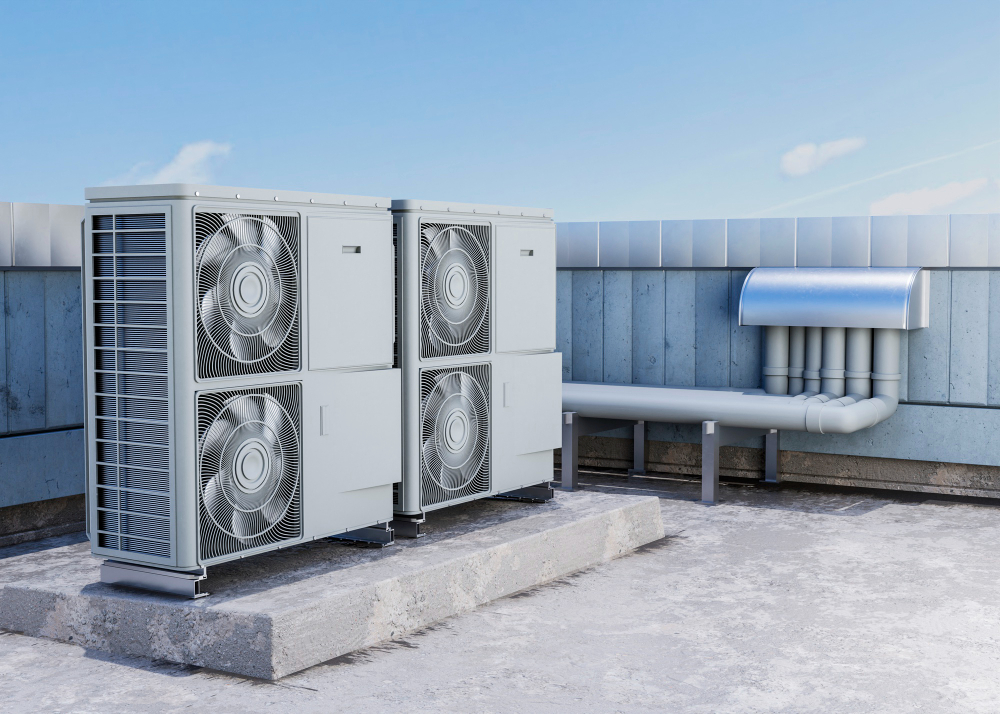
Plumbing issues can indirectly affect HVAC systems, boilers, and water heaters. Condensate drainage failures or boiler feed line leaks impact mechanical efficiency.
The American Society of Heating, Refrigerating and Air-Conditioning Engineers (ASHRAE) emphasizes coordinated mechanical system maintenance for optimal building performance.
How can Norse Mechanical help with commercial plumbing issues?
Prevent Costly Plumbing Failures with Proactive Service
Norse Mechanical helps commercial facilities identify and resolve plumbing issues early through detailed inspections, maintenance planning, and targeted repairs. Our team focuses on preventing system disruptions before they impact daily operations and long-term costs.
From drain cleaning and leak detection to system evaluations, we provide practical solutions that reduce emergency repairs, improve reliability, and support consistent building performance.
Small commercial plumbing issues are early indicators of system stress. When ignored, they escalate into downtime, financial loss, and emergency repair premiums.
Separating causes, effects, and options allows facility managers to make informed, cost-conscious decisions. Preventive inspections and strategic maintenance reduce operational risk and protect long-term capital investment.
If this guide clarified your next step, review your inspection schedule and share this article with your operations team.
Frequently Asked Questions
What are early signs of commercial plumbing issues?
Slow drains, minor leaks, sewer odors, and pressure fluctuations are early warning indicators.
How much does commercial plumbing repair cost?
Costs vary depending on scope and urgency. Emergency repairs typically cost more than planned maintenance.
Is commercial plumbing maintenance worth it?
Yes. Preventive maintenance reduces emergency frequency, protects structural integrity, and lowers long-term operational risk.