
A clogged drain might seem like a minor inconvenience, but in commercial buildings it can quickly escalate into a major operational issue. Restaurants may face grease buildup that blocks kitchen sinks, office buildings can experience restroom drain backups, and warehouses may struggle with clogged floor drains that disrupt cleaning processes.
Drain blockages can cause water damage, sanitation issues, and even business downtime if they are not addressed quickly. That’s why facility managers and property owners need to understand both how to unclog a drain effectively and how to prevent recurring plumbing problems.
This guide explains five practical ways to unclog drains, the most common causes of blockages in commercial plumbing systems, and preventive maintenance strategies that reduce the risk of costly plumbing repairs.
For buildings experiencing persistent drainage problems, professional solutions such as commercial drain services from Norse Mechanical can help identify and resolve deeper plumbing issues.
What Causes Drains to Clog in Commercial Buildings?
Drain systems in commercial environments experience significantly more usage than residential plumbing systems. Higher water volume, grease disposal, and improper waste handling can all contribute to clogged pipes.
Some of the most common causes include:
Grease buildup in kitchen drains
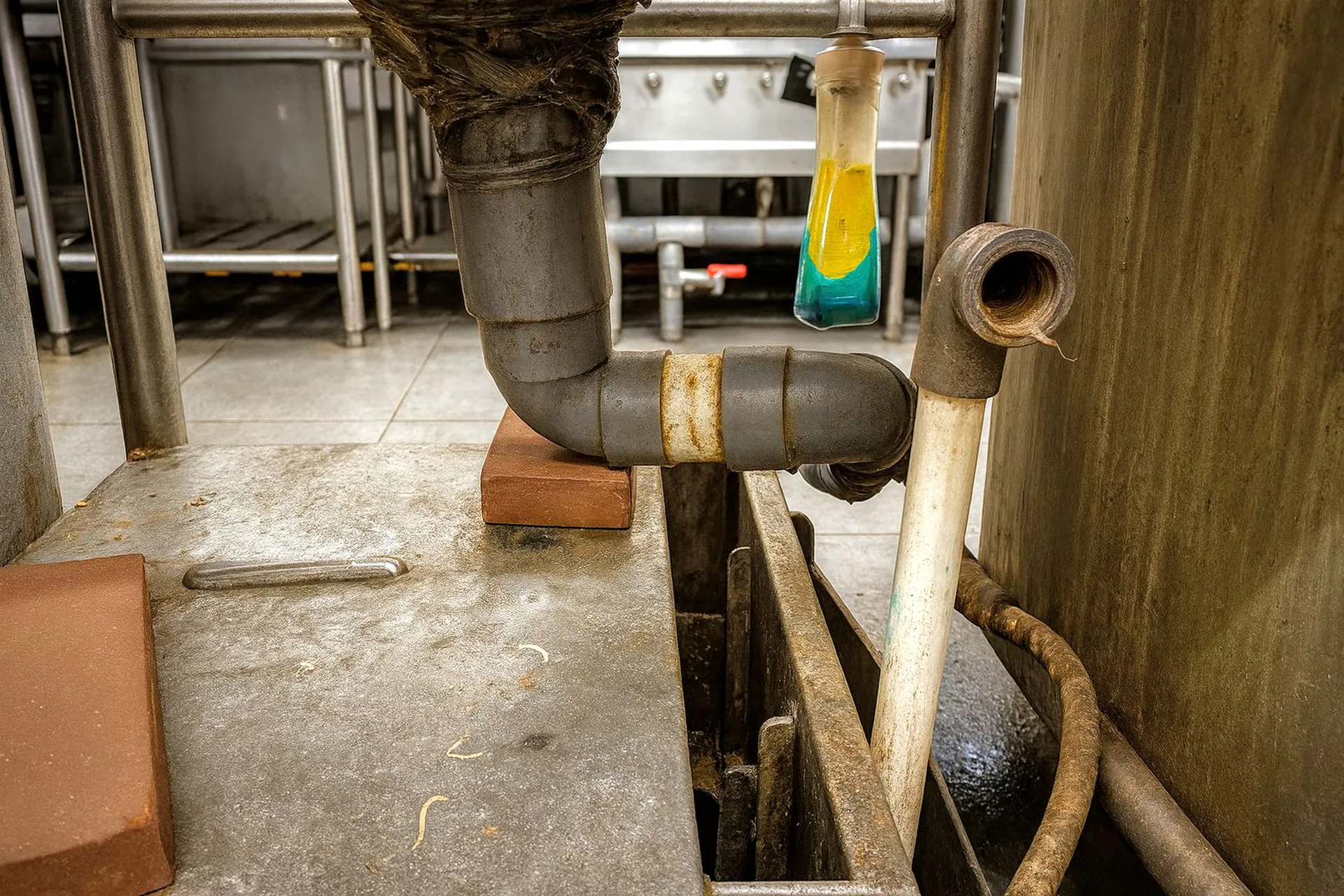
Restaurants and commercial kitchens frequently dispose of fats, oils, and grease through sinks. As these substances cool, they solidify along pipe walls and gradually trap food debris, creating stubborn blockages that restrict water flow.
Soap residue and mineral deposits
In office buildings and public restrooms, soap combined with hard water minerals forms thick residue inside pipes. Over time this buildup narrows the pipe diameter and slows drainage.
Hair and organic debris
Facilities with locker rooms or shared bathrooms often experience hair accumulation in drains. When combined with soap residue, hair forms dense clumps that block pipes.
Improper waste disposal
Paper towels, wipes, and other materials that are not designed to dissolve in water frequently enter commercial drains and create severe blockages.
Tree root intrusion
Older commercial properties may have underground sewer lines vulnerable to tree roots. Roots naturally grow toward moisture and can penetrate pipes, causing recurring clogs.
When these issues occur repeatedly, professional plumbing diagnostics may be required to identify the root cause.
How Do You Unclog a Drain in a Commercial Facility?
1. Flush the Drain with Hot Water
Hot water flushing is often the first step in clearing minor drain clogs.
Why hot water works
High temperatures help dissolve grease, soap residue, and organic material that accumulate along pipe walls. When flushed properly, hot water can loosen these substances and restore water flow.
Steps to try this method
-
Heat water to near boiling temperature.
-
Slowly pour the hot water into the clogged drain.
-
Wait approximately 30 seconds to allow the heat to break down buildup.
-
Run additional hot water to flush loosened debris through the pipe.
Best situations for this method
-
Kitchen sinks with grease buildup
Grease accumulation often softens when exposed to high temperatures, making it easier to flush out of the system. -
Bathroom sinks with soap residue
Soap scum dissolves gradually with repeated hot water flushing. -
Early signs of slow drainage
Addressing slow drains early can prevent severe clogs from forming.
2. Use a Plunger to Break Up the Blockage
A plunger is a simple yet effective tool for clearing minor drain obstructions.
Why plunging works
The suction created by the plunger generates pressure that can break apart debris and push the blockage through the pipe.
Steps for effective plunging
-
Place the plunger directly over the drain opening.
-
Ensure a tight seal to maximize suction.
-
Pump the plunger up and down rapidly for 20–30 seconds.
-
Remove the plunger and test drainage with running water.
Situations where plunging works best
-
Restroom sinks in office buildings
Small debris and soap buildup can often be dislodged using pressure from a plunger. -
Utility sinks in maintenance areas
Minor obstructions caused by cleaning materials can usually be cleared with this method. -
Floor drains with light debris buildup
Plunging may break apart small obstructions near the drain opening.
3. Try Baking Soda and Vinegar for Minor Organic Clogs
Although commonly used in residential plumbing, the baking soda and vinegar method can help loosen minor organic buildup in commercial drains.
Why it works
The reaction between baking soda and vinegar creates bubbling action that breaks down debris and organic material.
Steps
-
Pour half a cup of baking soda into the drain.
-
Follow with one cup of vinegar.
-
Cover the drain opening to contain the reaction.
-
Wait 15 minutes before flushing with hot water.
When this method is useful
-
Restroom sinks with light soap buildup
The reaction helps break down soap residue lining the pipes. -
Low-traffic sinks with organic debris
Organic buildup can sometimes dissolve with chemical reactions.
4. Use a Drain Snake for Deeper Clogs
When basic methods fail, a drain snake can reach deeper into pipes and physically remove blockages.
Why a drain snake works
A flexible metal cable is inserted into the pipe to break apart debris or pull obstructions out.
How to use a drain snake
-
Insert the cable into the drain opening.
-
Rotate the handle while pushing the cable deeper into the pipe.
-
Continue until resistance is felt.
-
Pull the cable out slowly to remove the debris.
Effective for
-
Hair clogs in restroom drains
Hair tends to form dense clumps that mechanical tools can retrieve. -
Food debris in kitchen sinks
Food particles often accumulate deeper in pipes. -
Organic material trapped in plumbing lines
Snakes can reach areas beyond the drain opening.
5. Professional Drain Cleaning for Severe Blockages
When DIY methods fail, professional drain cleaning provides the most reliable solution.
Commercial plumbers use specialized equipment such as:
Hydro jetting
High-pressure water jets clean pipe interiors by blasting away grease, sludge, and mineral deposits.
Power augers
Heavy-duty mechanical tools designed to break apart severe obstructions.
Video pipe inspections
Small cameras inserted into pipes allow technicians to locate blockages and identify structural damage.
Businesses experiencing frequent drainage problems should consider professional maintenance from Norse Mechanical.
When Should You Call a Professional Plumber?
Some drain issues indicate deeper plumbing system problems.
Contact a professional plumber if you notice:
Multiple clogged drains
When several drains slow down simultaneously, the blockage may exist in the main sewer line.
Recurring drain clogs
Repeated clogs often indicate pipe buildup, corrosion, or root intrusion.
Foul sewer odors
Persistent odors may signal sewer gas leaks or damaged pipes.
Water backups
Standing water near drains can cause sanitation issues and disrupt operations.
Professional inspections help prevent plumbing failures that could interrupt business operations.
How to Prevent Drain Clogs in Commercial Buildings
Preventive maintenance is the most effective way to reduce the risk of drain blockages.
Businesses can minimize plumbing issues by implementing these practices:
Install drain strainers
Drain strainers capture debris such as food particles and hair before they enter the plumbing system, reducing the likelihood of clogs forming deeper inside pipes.
Dispose of grease properly
Commercial kitchens should collect grease in designated containers rather than pouring it down drains. Grease traps should also be cleaned regularly to maintain proper drainage.
Train staff on waste disposal
Employees should understand which materials should never be flushed or washed down sinks, including paper towels and cleaning wipes.
Schedule routine drain maintenance
Regular professional inspections remove buildup before it leads to severe plumbing problems.
Facilities that maintain both plumbing and HVAC systems often experience better operational efficiency. Businesses can explore related Norse Mechanical services such as:
Summary
Clogged drains can create serious disruptions for commercial buildings, affecting sanitation, operations, and maintenance costs. While simple methods such as hot water flushing, plunging, or using a drain snake can resolve minor blockages, persistent clogs often indicate deeper plumbing problems.
By combining proactive maintenance with professional inspections, facility managers can prevent recurring drain issues and maintain reliable plumbing systems. Businesses experiencing frequent drainage problems should consider professional cleaning and inspection services to ensure their plumbing infrastructure continues operating efficiently.
Frequently Asked Questions
What is the fastest way to unclog a drain?
Flushing the drain with hot water followed by plunging is often the fastest method for clearing minor grease or debris blockages.
What causes drains to clog in commercial kitchens?
Grease buildup, food particles, and improper disposal of cooking oils are the most common causes.
How often should commercial drains be cleaned?
Most commercial facilities benefit from professional drain cleaning every 12–24 months depending on usage.
Can recurring clogs indicate pipe damage?
Yes. Repeated clogs may indicate pipe corrosion, structural damage, or root intrusion.