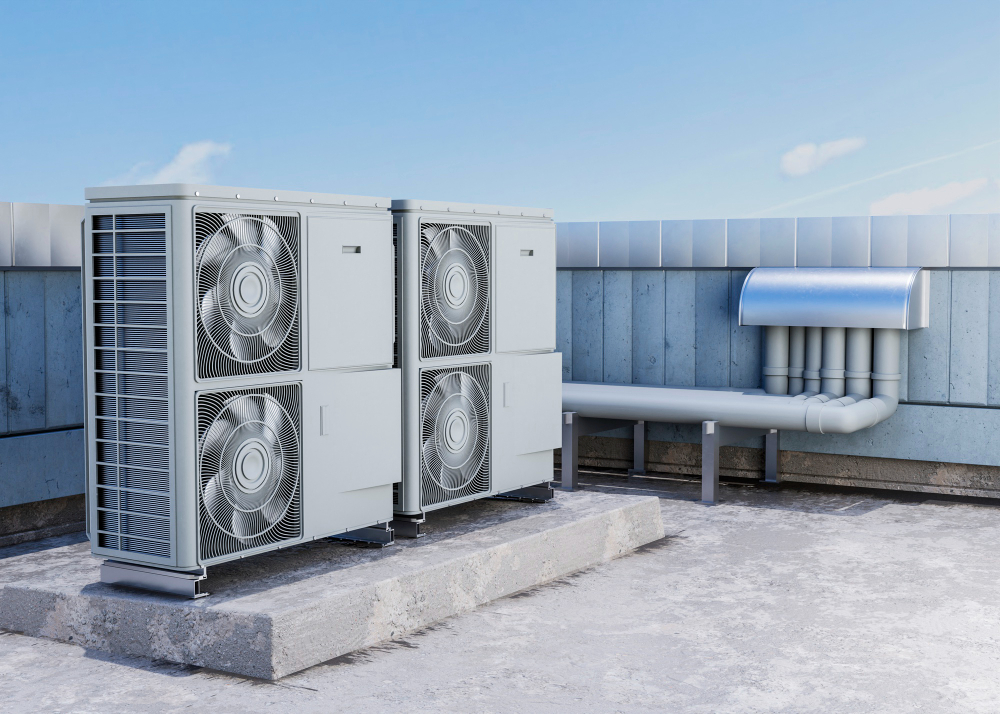

Commercial rooftop HVAC systems work hard in Minnesota. Between subzero winters, humid summers, snow accumulation, hail exposure, and constant temperature swings, rooftop units (RTUs) endure some of the harshest operating conditions in the country.
For facility managers and commercial property owners, one major question eventually arises:
For facility managers and commercial property owners, one major question eventually arises:
“Should you repair your commercial rooftop unit or replace it entirely?”
At first glance, repairs may seem like the cheaper option. But repeated service calls, rising energy bills, downtime, and aging equipment can quickly make continued repairs more expensive than replacement.
This guide breaks down the real costs of RTU repair vs replacement in Minnesota, explains how weather impacts rooftop HVAC systems, and helps commercial building owners determine which option delivers the best long-term return on investment.
This guide breaks down the real costs of RTU repair vs replacement in Minnesota, explains how weather impacts rooftop HVAC systems, and helps commercial building owners determine which option delivers the best long-term return on investment.
What Is a Commercial Rooftop Unit (RTU)?
A rooftop unit (RTU) is a self-contained commercial HVAC system installed on the roof of a building. RTUs provide heating, cooling, and ventilation from a single packaged unit.
They are commonly used in:
They are commonly used in:
- Office buildings
- Retail stores
- Warehouses
- Restaurants
- Schools
- Healthcare facilities
- Industrial properties
Unlike split HVAC systems, RTUs consolidate major components into one rooftop cabinet, including:
- Compressors
- Evaporator coils
- Condensers
- Heat exchangers
- Supply fans
- Air filters
- Air filters
- Controls
RTUs are popular because they:
- Save indoor space
- Simplify ductwork
- Allow easier zoning
- Provide scalable commercial HVAC solutions
However, Minnesota weather significantly accelerates wear and tear on rooftop systems due to constant exposure to snow, ice, wind, rain, and freeze-thaw cycles.
Average RTU Lifespan in Minnesota
The average commercial rooftop unit lasts approximately 15–20 years. In Minnesota, lifespan often falls toward the lower end of that range because of extreme climate stress.
Several factors impact RTU longevity:
Several factors impact RTU longevity:
- Maintenance frequency
- Installation quality
- Roof exposure
- Usage intensity
- Airflow balance
- Snow and ice accumulation
- Corrosion exposure
- Energy demand fluctuations
Commercial buildings operating RTUs continuously year-round—especially restaurants, industrial facilities, and healthcare buildings—often experience accelerated equipment deterioration.
Typical RTU Lifespan by Condition
| Condition | Expected Lifespan |
|---|---|
| Well-maintained RTU | 18–20 years |
| Average maintenance | 12–15 years |
| Poor maintenance | 8–12 years |
Minnesota winters are especially hard on heat exchangers, economizers, motors, and rooftop seals. Heavy snow accumulation can also create drainage issues that contribute to leaks and corrosion.
Signs Your RTU Needs Repair
Not every RTU problem requires full replacement. In many cases, targeted repairs can restore performance and extend equipment life.
Below are common signs your commercial rooftop unit may need repair.
Below are common signs your commercial rooftop unit may need repair.
Uneven Heating or Cooling
If certain areas of the building remain uncomfortable while others are properly conditioned, the RTU may have:
- Damaged dampers
- Airflow restrictions
- Fan motor issues
- Refrigerant problems
- Sensor failures
In Minnesota winters, uneven heating can quickly become a tenant comfort issue.
Rising Utility Bills
One of the clearest warning signs of RTU inefficiency is increasing energy consumption.
Potential causes include:
- Dirty coils
- Failing compressors
- Refrigerant leaks
- Worn blower motors
- Reduced airflow
- Aging heat exchangers
If operating costs continue climbing despite similar building occupancy, the RTU may be losing efficiency.
Strange Noises
Commercial rooftop units should not produce loud banging, screeching, or rattling sounds.
These noises may indicate:
- Loose components
- Bearing failures
- Fan imbalance
- Compressor damage
- Belt wear
Minor mechanical problems can quickly escalate into major failures if ignored.
Frequent Breakdowns
If your RTU requires repeated repairs during peak heating or cooling seasons, replacement may become more cost-effective.
Frequent breakdowns often indicate:
- End-of-life equipment
- Electrical failures
- Aging compressors
- System-wide deterioration
A good rule of thumb:
If repair frequency increases annually, replacement discussions should begin.
Leaking Water
Water intrusion around rooftop units can result from:
- Clogged drains
- Frozen condensate lines
- Roof curb deterioration
- Coil freezing
- Cracked drain pans
Leaks can damage roofing materials, insulation, ceilings, and electrical systems.
When RTU Replacement Makes More Financial Sense
Eventually, repair costs begin exceeding the long-term value of keeping an aging rooftop unit operational.
Repair Cost Threshold Rule
A widely used commercial HVAC benchmark is:
If repair costs exceed 30–40% of replacement value, replacement often makes better financial sense.
If repair costs exceed 30–40% of replacement value, replacement often makes better financial sense.
For example:
- RTU replacement cost: $25,000
- Major repair estimate: $10,000+
- Aging unit: 17 years old
At that point, continued repairs may simply delay inevitable replacement while increasing downtime risk.
Situations Where Replacement Is Usually Smarter
Replacement is often recommended when:
- The RTU is over 15–20 years old
- Compressor failure occurs
- Heat exchanger cracks develop
- Refrigerant type becomes obsolete
- Energy bills increase significantly
- Parts availability becomes difficult
- Repeated emergency repairs occur
Modern rooftop systems are substantially more energy-efficient than older equipment, which can create major long-term utility savings.
The Hidden Cost of Emergency Downtime
Many commercial property owners focus only on repair invoices while overlooking operational losses caused by HVAC failures.
RTU breakdowns can lead to:
- Tenant complaints
- Business interruptions
- Employee productivity loss
- Product damage
- Temporary closures
- Emergency overtime labor
For healthcare facilities, restaurants, schools, and retail buildings, HVAC downtime can become extremely expensive.
Commercial RTU Replacement Costs in Minnesota
Commercial rooftop unit replacement costs vary significantly depending on:
- Unit tonnage
- Building size
- Roof access
- Crane requirements
- Electrical upgrades
- Ductwork modifications
- Controls integration
- Heating capacity
Estimated RTU Replacement Costs
| RTU Size | Estimated Replacement Cost |
|---|---|
| Small commercial RTU | $8,000–$18,000 |
| Mid-sized RTU | $20,000–$45,000 |
| Large commercial RTU | $50,000–$120,000+ |
These costs may include:
- Equipment
- Labor
- Crane service
- Permits
- Startup and commissioning
Emergency replacements during peak winter conditions may increase labor costs.
Prevent Costly RTU Failures, Call Norse Today For RTU Inspection.
Schedule a professional commercial rooftop HVAC inspection before extreme Minnesota weather arrives. Early diagnostics can identify airflow problems, failing components, energy inefficiencies, and hidden repair risks before they lead to expensive emergency breakdowns or unexpected business disruptions.
Energy Savings From New RTUs
Modern commercial rooftop units can dramatically reduce energy consumption compared to aging systems.
Benefits of High-Efficiency RTUs
New systems may include:
- Variable speed fans
- Advanced economizers
- Smart controls
- Improved heat exchangers
- High-efficiency compressors
- Better airflow management
These upgrades help reduce:
- Utility costs
- Temperature fluctuations
- Equipment strain
- Carbon emissions
ROI Example
A commercial building spending:
- $40,000 annually on heating/cooling
May reduce energy costs by:
- 15–30% with a high-efficiency RTU upgrade
Potential savings:
- $6,000–$12,000 annually
Over time, these savings can offset a significant portion of replacement costs.
Minnesota Energy Rebates
Commercial HVAC upgrades may qualify for:
- Utility rebates
- Energy efficiency incentives
- Tax depreciation opportunities
Programs vary depending on:
- Equipment efficiency ratings
- Utility provider
- Building type
High-efficiency rooftop unit replacement in Minnesota may provide stronger ROI than many property owners initially expect.
How Minnesota Weather Impacts Rooftop HVAC Systems
Minnesota weather creates unique challenges for rooftop HVAC equipment.
Freeze-Thaw Cycles
Constant freezing and thawing can:
- Crack seals
- Damage drain lines
- Expand metal components
- Accelerate corrosion
Heavy Snow Accumulation
Snow buildup can:
- Restrict airflow
- Block intake vents
- Damage rooftop curbs
- Create drainage problems
High Heating Demand
Subzero temperatures force RTUs to work harder for extended periods, increasing:
- Compressor wear
- Heat exchanger stress
- Fan motor strain
Summer Humidity and Heat
Minnesota summers also place heavy cooling demands on RTUs, especially in commercial kitchens, manufacturing facilities, and retail environments.
This year-round stress shortens equipment lifespan compared to milder climates.
This year-round stress shortens equipment lifespan compared to milder climates.
RTU Repair vs Replacement: Quick Comparison
| Factor | Repair | Replacement |
|---|---|---|
| Lower upfront cost | Yes | No |
| Long-term efficiency | Lower | Higher |
| Energy savings | Limited | Significant |
| Downtime risk | Higher | Lower |
| Lifespan extension | Temporary | Full reset |
| Best for newer systems | Yes | Sometimes |
| Best for aging systems | Rarely | Yes |
Final Thoughts
Deciding between RTU repair and replacement in Minnesota requires balancing immediate costs against long-term operational savings.
For newer rooftop systems with isolated mechanical problems, repairs may be the most practical solution. However, aging RTUs with rising repair frequency, declining efficiency, and mounting energy costs often become financial liabilities.
Minnesota’s harsh winters accelerate rooftop HVAC wear, making preventative inspections and lifecycle planning essential for commercial building owners.
A professional RTU evaluation can help determine:
For newer rooftop systems with isolated mechanical problems, repairs may be the most practical solution. However, aging RTUs with rising repair frequency, declining efficiency, and mounting energy costs often become financial liabilities.
Minnesota’s harsh winters accelerate rooftop HVAC wear, making preventative inspections and lifecycle planning essential for commercial building owners.
A professional RTU evaluation can help determine:
- Remaining equipment lifespan
- Energy efficiency performance
- Repair risk exposure
- Replacement ROI opportunities
Investing in the right solution today can prevent expensive emergency failures tomorrow.
Looking for Affordable Commercial RTU Options? Call Norse Today.
Explore commercial HVAC solutions designed to help Minnesota businesses manage rooftop unit replacement costs. Ask about phased installation strategies, energy-efficiency rebates, flexible payment plans, and long-term savings opportunities that reduce financial strain while upgrading aging equipment.