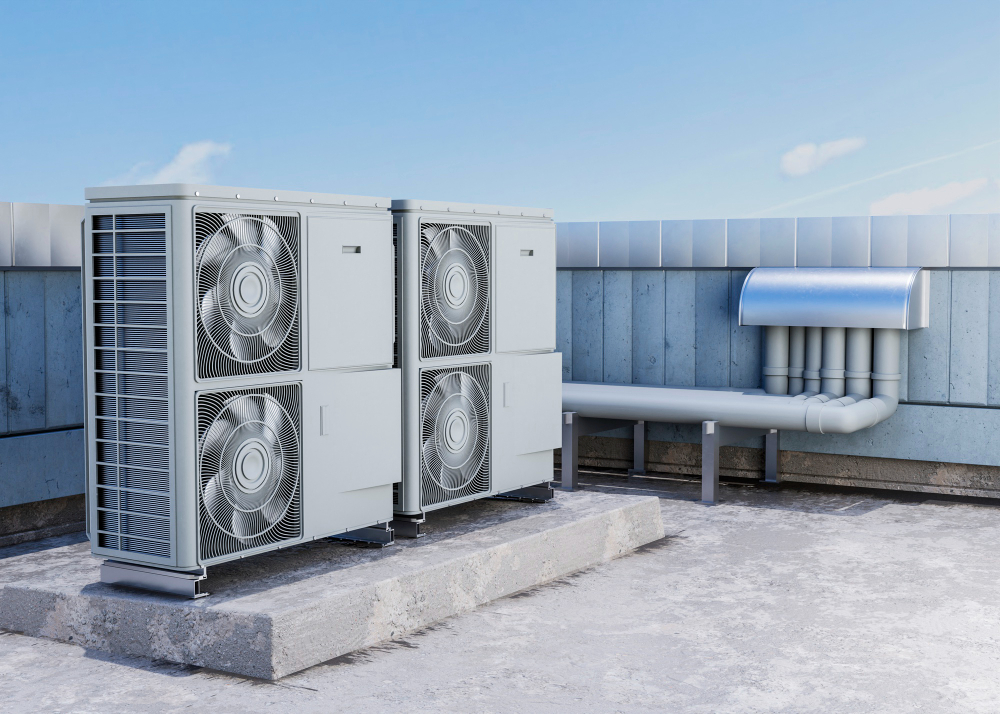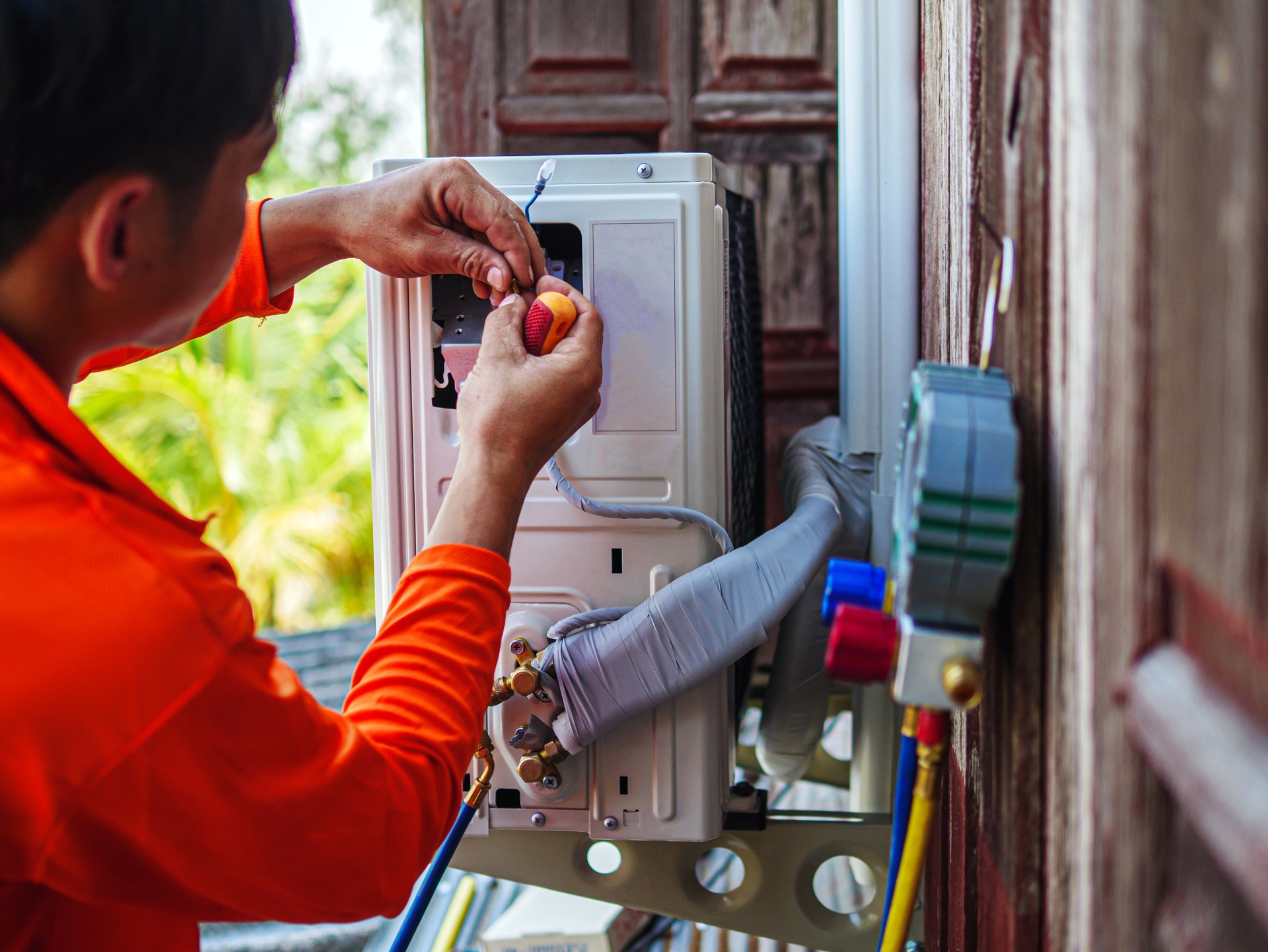


Shoulder-season HVAC tune-ups deliver the highest ROI because systems can be serviced during low demand, reducing downtime while improving efficiency and reliability. This short window allows facility teams to detect issues early—before peak heating or cooling demand drives up repair costs, energy usage, and tenant complaints.
Why does shoulder season matter for commercial buildings?
Every facilities team feels the shift between heating and cooling seasons. This narrow gap is not just a transition—it is the most strategic time to perform maintenance without operational pressure.
- Lowest operational risk: Mild weather allows systems to be temporarily shut down without affecting occupant comfort. This creates a controlled environment for maintenance activities that would otherwise disrupt operations during peak seasons.
- Better diagnostics: Systems operating at partial load provide more stable readings. Technicians can more accurately detect airflow issues, refrigerant imbalances, and control inefficiencies that are harder to identify during peak demand.
- Budget efficiency: Small issues addressed early prevent larger failures later. This reduces emergency service calls, avoids overtime labor, and eliminates the need for expedited parts.
How do you choose the right “one-week” tune-up window?
Timing is critical to maximizing the value of a commercial HVAC tune-up.
Start by identifying a 5–7 day stretch of mild weather using historical data and short-term forecasts. This ensures systems can be safely taken offline without affecting building comfort.
Next, coordinate with tenants and internal operations. Schedule maintenance during lower occupancy periods and avoid conflicts with major events.
Finally, secure access to rooftops, mechanical rooms, and control systems ahead of time. Proper planning ensures the entire maintenance scope can be completed without delays.
Start by identifying a 5–7 day stretch of mild weather using historical data and short-term forecasts. This ensures systems can be safely taken offline without affecting building comfort.
Next, coordinate with tenants and internal operations. Schedule maintenance during lower occupancy periods and avoid conflicts with major events.
Finally, secure access to rooftops, mechanical rooms, and control systems ahead of time. Proper planning ensures the entire maintenance scope can be completed without delays.


What should a commercial HVAC tune-up include?
A structured checklist ensures consistency, accountability, and measurable improvements across all systems.
- Airflow & static pressure: Measure airflow and compare it to design specifications. Correcting restrictions improves efficiency, reduces system strain, and ensures consistent temperature distribution.
- Airflow & static pressure: Measure airflow and compare it to design specifications. Correcting restrictions improves efficiency, reduces system strain, and ensures consistent temperature distribution.
- Refrigerant & controls: Verify refrigerant charge using proper methods and calibrate system controls. Confirm staging and economizer performance to reduce unnecessary energy use.
- Electrical integrity: Inspect wiring, test capacitors, tighten connections, and verify breaker sizing. Electrical issues are a leading cause of unexpected system failures.
- Condensate & drains: Clear drain lines and pans to prevent water damage and system shutdowns caused by overflow protection triggers.
- Filtration strategy: Select the right filters and monitor pressure drop to maintain airflow efficiency and indoor air quality.
- Ducts & distribution: Inspect ductwork for leaks and imbalance. Proper air distribution reduces hot and cold spots and improves occupant comfort.
What results should you expect after a tune-up?
A properly executed tune-up delivers measurable operational and financial benefits.
- Fewer service calls: Reduced system alarms and emergency repairs indicate improved reliability.
- Stable indoor temperatures: Balanced airflow minimizes comfort complaints and improves tenant satisfaction.
- Lower energy consumption: Clean components and optimized system settings reduce energy usage. According to the U.S. Department of Energy, regular HVAC maintenance improves efficiency and lowers operating costs
- Extended equipment life: Reduced strain on components helps delay costly replacements and extends system lifespan.
Should plumbing and drains be checked during shoulder season?
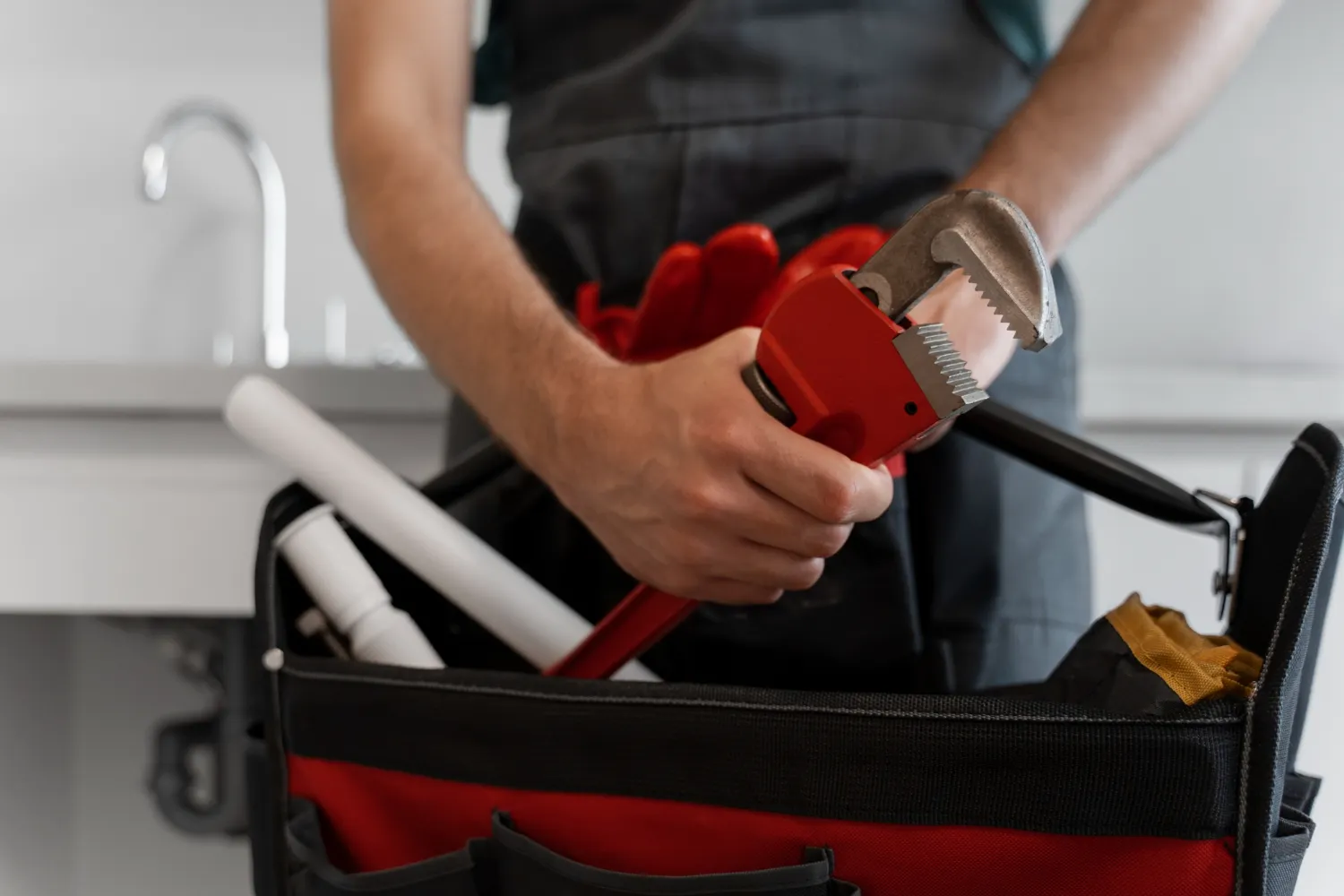
Yes. Shoulder season is also the ideal time to evaluate plumbing systems while demand is lower. Check our blog about plumbing and drains tips and prevention here.
- Inspect shutoff valves: Ensure valves operate correctly for quick response during emergencies.
- Check visible piping: Identify corrosion, leaks, or wear before they become major issues.
- Test drains and sinks: Detect slow drainage early to prevent blockages during peak occupancy.
- Perform preventive cleaning: Clearing buildup reduces the risk of emergency plumbing failures.
How do you decide what to fix now vs. defer?
Not all issues require immediate action. Prioritization ensures efficient use of resources.
Fix now:
- High static pressure restricting airflow
- Dirty coils reducing efficiency
- Electrical hot spots or failing components
- Recurring condensate issues
- Short cycling systems
Defer with a plan:
- Cosmetic damage
- Minor hardware issues
- Labeling updates
This approach balances cost control with operational reliability.
What are the next steps after planning a tune-up?
Execution and documentation ensure long-term value.
- Schedule: Reserve your shoulder-season window early and align access with building operations.
- Execute: Complete all maintenance tasks while recording pre- and post-service system performance.
- Document: Provide a clear report with findings, corrective actions, and ROI insights for stakeholders.
How Norse Mechanical helps you maximize shoulder-season maintenance
Norse Mechanical helps commercial facilities prepare for seasonal demand through structured HVAC tune-ups focused on performance, efficiency, and early issue detection. Our team works within critical shoulder-season windows to reduce system strain and prevent costly breakdowns.
From detailed inspections to airflow optimization and system diagnostics, we ensure your building stays reliable, efficient, and ready for peak conditions.
From detailed inspections to airflow optimization and system diagnostics, we ensure your building stays reliable, efficient, and ready for peak conditions.
Frequently Asked Questions
When is the best time for a commercial HVAC tune-up?
During shoulder season when mild weather allows systems to be serviced without disrupting building operations.
How long does a commercial HVAC tune-up take?
Most tune-ups can be completed within a planned 5–7 day window depending on system size and complexity.
Is a commercial HVAC tune-up worth it?
Yes. Preventive maintenance reduces repair costs, improves efficiency, and extends equipment lifespan.