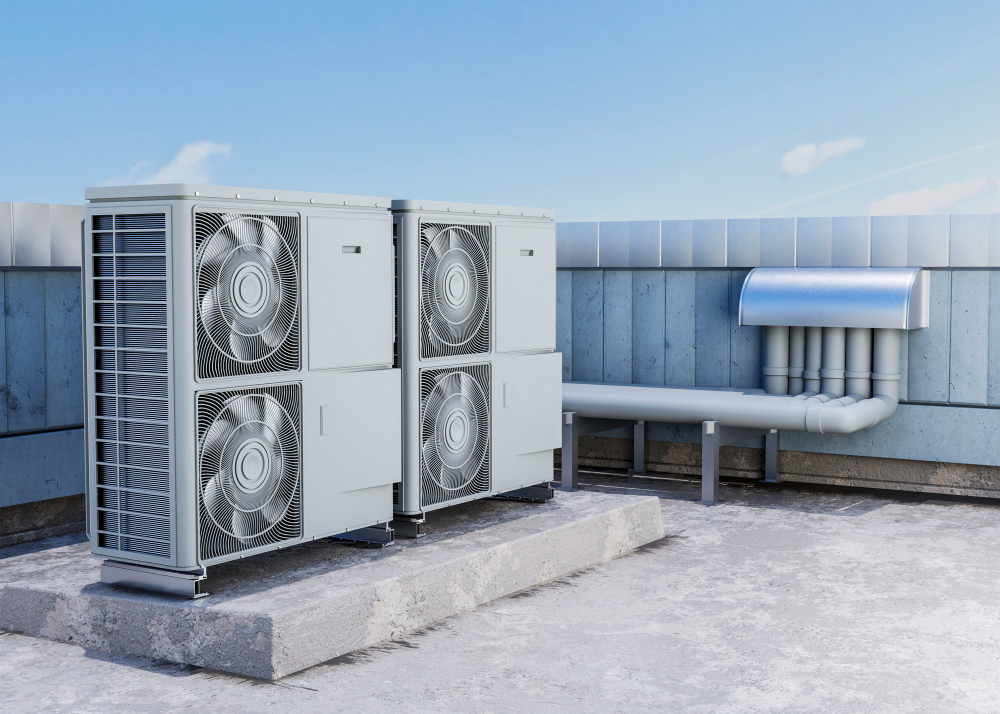

What Is the Average Lifespan of a Furnace?
One of the most common questions facility managers and property owners ask is: What is the average lifespan of a furnace?
The answer depends on several factors, including maintenance history, operating conditions, installation quality, and seasonal heating demands. In general, most commercial furnaces last between 15 and 25 years when properly maintained. However, some systems may fail earlier, while others continue operating efficiently well beyond two decades.
Understanding what affects furnace lifespan can help building owners make informed maintenance, repair, and replacement decisions.
What Is the Average Lifespan of a Commercial Furnace?
Typical Furnace Lifespan Expectations
Commercial furnace life expectancy varies based on equipment type and operating conditions.
Typical lifespan ranges include:
| Furnace Type | Expected Lifespan |
|---|---|
| Standard Commercial Furnace | 15–20 Years |
| Well-Maintained Commercial Furnace | 20–25+ Years |
| High-Demand Industrial Applications | 10–18 Years |
A properly maintained furnace can continue operating reliably long after another poorly maintained system has reached the end of its useful life.
Why Lifespan Can Vary Significantly
Several factors influence how long a furnace will last.
These include:
- Building size
- Daily operating hours
- Heating demand
- Maintenance frequency
- Installation quality
- System sizing
- Minnesota weather conditions
What Factors Affect Furnace Lifespan?
Preventative Maintenance
Maintenance is often the single biggest factor affecting furnace longevity.
Regular maintenance helps:
- Reduce equipment wear
- Improve efficiency
- Detect problems early
- Prevent unexpected breakdowns
- Extend equipment lifespan
Equipment Sizing
Proper sizing is critical for long-term reliability.
Undersized Systems
An undersized furnace must work harder to maintain temperatures, resulting in:
- Increased runtime
- Excessive wear
- Higher energy costs
- Shorter lifespan
Oversized Systems
Oversized equipment creates a different set of problems, including:
- Frequent cycling
- Uneven heating
- Increased component wear
- Reduced efficiency
Operating Conditions
Not all commercial buildings place the same demands on heating equipment.
Warehouses
Large open spaces often require extended heating cycles during winter.
Manufacturing Facilities
Industrial environments may expose equipment to dust, debris, and demanding operating schedules.
Office Buildings
Occupancy schedules and comfort expectations often require precise temperature control.
Each environment impacts furnace performance and longevity differently.
Minnesota Winter Demands
Minnesota’s climate can be especially demanding on commercial heating systems.
Challenges include:
- Extended heating seasons
- Subzero temperatures
- Frequent temperature swings
- Increased system runtime
- Heavy seasonal workloads
Signs Your Furnace May Be Nearing the End of Its Lifespan
Increasing Repair Frequency
One of the clearest indicators is a growing number of service calls.
If repairs are becoming more frequent each year, it may be time to evaluate replacement options.
Rising Energy Bills
Older furnaces often become less efficient over time.
A steady increase in heating costs without significant changes in utility rates may indicate declining system performance.
Uneven Heating Throughout the Building
Hot and cold spots can signal:
- Reduced furnace capacity
- Airflow problems
- Aging components
- Control issues
Strange Noises or Odors
Common warning signs include:
- Banging
- Rattling
- Grinding
- Squealing
- Burning odors
Reduced Heating Performance
If your building struggles to maintain comfortable temperatures during cold weather, the furnace may no longer be operating at full capacity.
Difficulty Maintaining Temperature
A furnace that runs continuously yet still fails to maintain set temperatures may be approaching the end of its service life.
Can Maintenance Extend Furnace Life?
How Routine Maintenance Helps
Preventative maintenance is one of the most effective ways to maximize furnace lifespan.
Benefits include:
- Reduced wear and tear
- Improved energy efficiency
- Early problem detection
- Better reliability
- Extended equipment life
Recommended Maintenance Schedule
Most commercial facilities should follow a structured maintenance plan.
Recommended practices include:
- Pre-heating season inspections
- Seasonal performance evaluations
- Routine filter changes
- Annual professional service
Common Maintenance Tasks
Professional furnace maintenance typically includes:
- Burner inspections
- Heat exchanger inspections
- Electrical testing
- Safety control verification
- Airflow testing
- Filter replacement
- Thermostat calibration
When Should You Consider Furnace Replacement?
Age Alone Isn’t the Only Factor
While age is important, replacement decisions should also consider:
- Repair history
- Operating costs
- Reliability
- Energy efficiency
- Future building needs
The Cost of Frequent Repairs
Repeated repairs can quickly become expensive.
If annual repair costs continue rising, investing in new equipment may provide better long-term value.
Declining Energy Efficiency
Older furnaces often consume more energy to produce the same amount of heat.
Newer systems typically offer:
- Improved efficiency
- Better controls
- Lower utility costs
- Enhanced reliability
Comfort and Reliability Concerns
If occupants frequently complain about:
- Temperature inconsistencies
- Poor comfort
- Heating interruptions
Business Continuity Considerations
Unexpected furnace failures can disrupt operations and create significant expenses.
This is particularly true for:
Offices
Employee productivity may suffer when heating systems fail.
Schools
Heating interruptions can impact students and staff.
Healthcare Facilities
Reliable temperature control is often critical for patient care.
Industrial Buildings
Production schedules and equipment performance may depend on stable heating.
Proactive replacement often costs less than emergency downtime.
How to Get the Most Life Out of Your Commercial Furnace
Schedule Regular Maintenance
Routine service remains the best investment for extending equipment lifespan.
Address Repairs Promptly
Ignoring minor issues often leads to more serious and expensive problems later.
Replace Air Filters Consistently
Clean filters improve airflow and reduce stress on furnace components.
Monitor Energy Performance
Tracking utility costs can help identify efficiency problems before they become major concerns.
Work With a Commercial HVAC Partner
An experienced commercial HVAC provider can help:
- Optimize maintenance schedules
- Identify aging components
- Improve system efficiency
- Plan future replacement projects
Final Thoughts
For Minnesota businesses, where heating systems operate through long and demanding winters, proactive maintenance and regular evaluations are essential. By monitoring performance, addressing repairs promptly, and planning ahead for replacement when necessary, facility managers can maximize equipment life while minimizing downtime and unexpected expenses.
Is Your Furnace Nearing the End of Its Lifespan?
Norse Mechanical can assess your heating system, identify potential reliability concerns, and help determine whether continued maintenance, targeted repairs, or replacement will provide the best long-term value for your facility.
Schedule a Commercial Furnace Evaluation Today and Plan Ahead Before the Next Minnesota Winter Arrives.