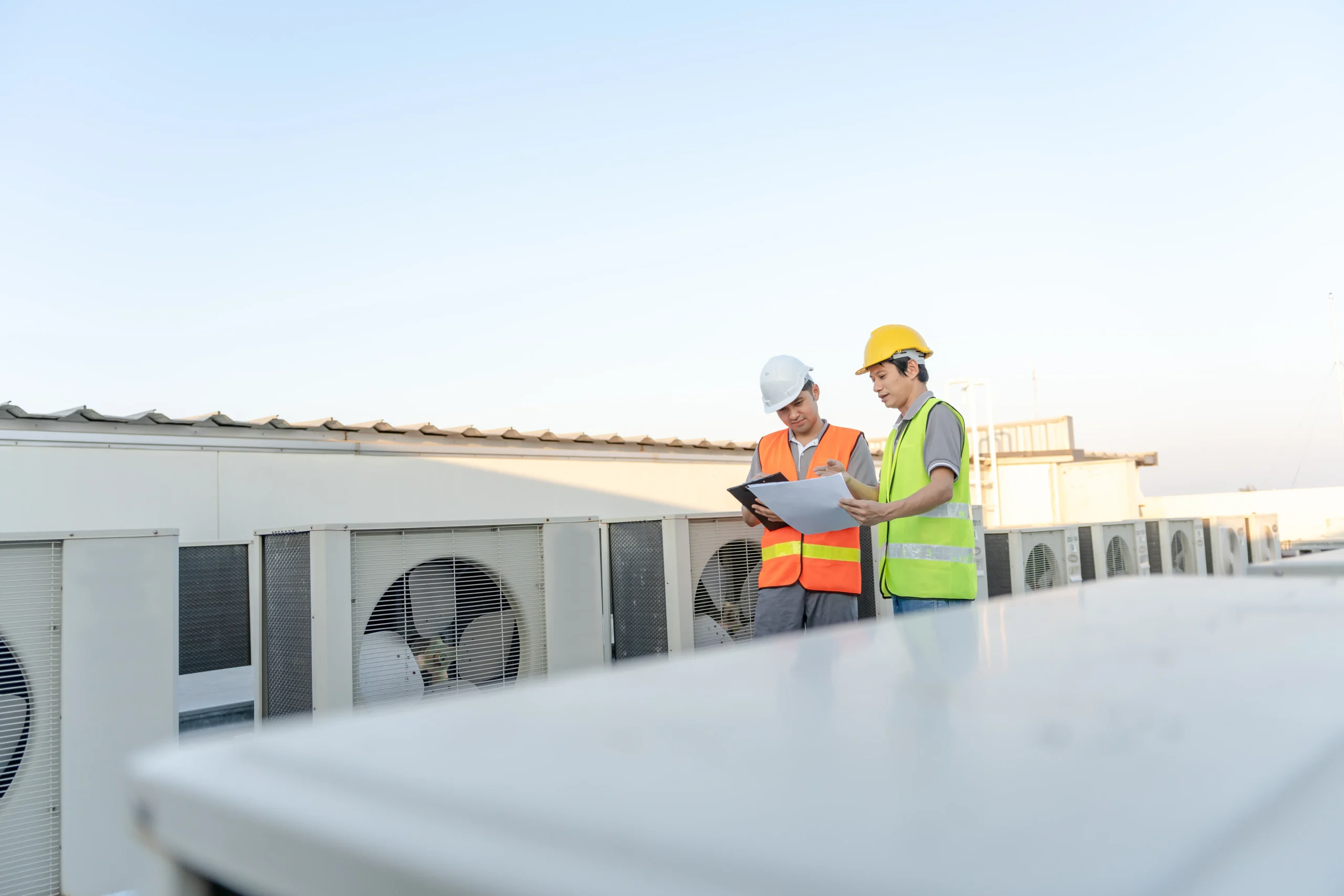

Most HVAC and plumbing emergencies in commercial buildings are not random—they are predictable failures caused by overlooked maintenance, aging components, or system inefficiencies. Understanding what triggers these failures allows facilities teams to shift from reactive repairs to proactive prevention, reducing downtime, costs, and operational disruption.
Why do HVAC and plumbing emergencies happen in commercial buildings?
Commercial systems operate continuously under high demand, making them more vulnerable to failure when small issues are ignored.
- Hidden faults accumulate over time: Minor issues like airflow restrictions or slow leaks gradually worsen until systems fail under peak load.
- Deferred maintenance increases risk: Skipping routine inspections allows wear and inefficiencies to go undetected.
- System complexity creates failure points: HVAC and plumbing systems rely on multiple components working together—when one fails, others are affected.
Research shows that HVAC system faults are common in commercial buildings, with a significant percentage of equipment operating with performance issues at any given time. Studies referenced by ASHRAE highlight the importance of continuous monitoring and maintenance to reduce failure rates.
What are the most common causes of HVAC system failures?
1. Skipping maintenance
Neglected maintenance is the leading cause of emergency HVAC failures.
- Dirty filters: Restricted airflow forces systems to overwork, increasing heat buildup and triggering shutdowns.
- Worn belts and fans: Damaged mechanical components reduce airflow and place strain on motors and compressors.
- Control system errors: Faulty sensors or misconfigured controls lead to inefficient operation and unexpected system behavior.
Regular preventive maintenance reduces these risks and improves overall system reliability.
2. Aging equipment
As HVAC systems age, failure risk increases significantly.
- Compressor wear: Older compressors lose efficiency and are more prone to overheating and failure.
- Motor and sensor degradation: Aging components respond less accurately, leading to inconsistent performance.
- Lack of replacement planning: Without lifecycle tracking, systems often fail unexpectedly instead of being replaced proactively.
3. Poor system design or installation
Improper design can cause long-term performance issues.
- Incorrect system sizing: Oversized or undersized units struggle to maintain stable temperatures, leading to inefficiency and wear.
- Faulty duct design: Poor airflow distribution increases static pressure and system strain.
- Improper commissioning: Systems that are not properly calibrated at installation are more likely to fail prematurely.
What causes plumbing system failures in commercial buildings?
Plumbing failures often develop gradually but escalate quickly when left unaddressed.
1. Pipe corrosion and pressure issues
- Material degradation: Pipes corrode over time, weakening structural integrity and increasing leak risk.
- Pressure fluctuations: High or inconsistent pressure stresses joints and fixtures, leading to failures.
- Predictable wear patterns: Regular inspections can identify early signs of deterioration before failure occurs.
2. Blockages and backups
- Debris buildup: Grease, sediment, and waste materials restrict flow and cause backups.
- High-usage areas: Kitchens, restrooms, and shared facilities experience more frequent clogs due to demand.
- Lack of preventive cleaning: Routine drain maintenance significantly reduces blockage-related emergencies.
3. Fixture wear and hidden leaks
- High-use fixtures: Frequently used components wear out faster in commercial environments.
- Undetected leaks: Small leaks can cause significant damage over time if not identified early.
- Sensor and inspection gaps: Without monitoring, leaks often go unnoticed until damage is severe.
Why do emergency HVAC and plumbing repairs cost more?
Emergency repairs are significantly more expensive due to urgency and compounded damage.
- After-hours labor costs: Emergency service rates are higher than scheduled maintenance.
- Expedited parts sourcing: Urgent repairs often require premium shipping or temporary fixes.
- Damage escalation: Small issues can evolve into major failures affecting multiple systems.
According to the U.S. Department of Energy, preventive maintenance is far more cost-effective than reactive repairs.
How can you prevent HVAC and plumbing emergencies?
1. Predictive and condition-based maintenance
- Monitor system performance: Sensors track temperature, pressure, and operational trends.
- Detect early warning signs: Abnormal readings signal developing issues before failure occurs.
- Schedule proactive repairs: Maintenance can be planned during low-impact periods instead of emergencies.
2. Scheduled inspections
- Routine system checks: Regular inspections identify wear and inefficiencies early.
- Performance tracking: Historical data helps predict when components are likely to fail.
- Reduced emergency frequency: Consistent inspections lower the likelihood of unexpected breakdowns.
3. Follow industry standards
- Code compliance: Adhering to standards like the Uniform Mechanical Code ensures safe and efficient system operation.
- Reduced installation errors: Proper design and installation minimize long-term risks.
- Improved system longevity: Standards help maintain performance over time.
How Norse Mechanical helps prevent emergency failures
Stop Emergency Calls Before They Happen
Norse Mechanical helps commercial facilities prevent HVAC and plumbing emergencies through proactive maintenance, system diagnostics, and performance optimization. Our approach focuses on identifying risks early and resolving them before they escalate into costly failures.
From routine inspections to advanced system monitoring, we help reduce downtime, control costs, and keep your building operating smoothly year-round.
From routine inspections to advanced system monitoring, we help reduce downtime, control costs, and keep your building operating smoothly year-round.
What are the long-term benefits of prevention?
Investing in preventive maintenance delivers measurable operational and financial benefits.
- Lower repair costs: Early intervention prevents expensive emergency repairs.
- Improved system reliability: Well-maintained systems operate consistently under high demand.
- Extended equipment lifespan: Reduced wear delays costly replacements.
- Better occupant experience: Stable environments reduce complaints and disruptions.
Frequently Asked Questions
Why do HVAC systems seem to fail during the busiest times?
Systems are pushed to their limits during peak demand, exposing underlying issues like airflow restrictions, worn components, or control failures that were not noticeable during lighter use.
What is the most common cause of plumbing emergencies in commercial buildings?
Blockages and hidden leaks are the most common causes, especially in high-traffic areas like restrooms and kitchens.
How can I tell if my building is at risk for an HVAC emergency?
Warning signs include inconsistent temperatures, unusual noises, increased energy bills, and frequent system cycling.
Is preventive maintenance really cheaper than emergency repairs?
Yes. Preventive maintenance reduces labor costs, avoids emergency service rates, and prevents damage escalation.
How often should commercial HVAC and plumbing systems be inspected?
At least twice a year, with additional checks for high-use systems or older equipment.
What’s the first step to reducing emergency service calls?
Start with a structured maintenance plan that includes routine inspections, performance tracking, and early issue detection.