
Commercial air conditioning systems depend on dozens of electrical components working together under heavy demand. One of the most critical — and commonly overlooked — components is the HVAC capacitor.
When a capacitor begins failing, rooftop units may struggle to start, compressors can overheat, motors may short cycle, and cooling performance can drop rapidly. In many commercial buildings, capacitor failures first appear during the hottest summer days when HVAC systems are under maximum stress.
Ignoring early capacitor warning signs can eventually lead to major compressor damage, expensive emergency repairs, and complete system shutdowns.
For Minnesota commercial properties, fast diagnosis is especially important during summer heat waves when rooftop HVAC systems operate continuously for long periods.
This guide explains:
When a capacitor begins failing, rooftop units may struggle to start, compressors can overheat, motors may short cycle, and cooling performance can drop rapidly. In many commercial buildings, capacitor failures first appear during the hottest summer days when HVAC systems are under maximum stress.
Ignoring early capacitor warning signs can eventually lead to major compressor damage, expensive emergency repairs, and complete system shutdowns.
For Minnesota commercial properties, fast diagnosis is especially important during summer heat waves when rooftop HVAC systems operate continuously for long periods.
This guide explains:
- What HVAC capacitors do
- Common signs of capacitor failure
- Why capacitors fail during Minnesota summers
- Commercial AC capacitor replacement costs
- How failed capacitors damage compressors
- Preventative electrical maintenance strategies
Understanding these warning signs early can help businesses avoid costly downtime and emergency HVAC failures.
What HVAC Capacitors Do
Capacitors are electrical components that store and release energy to help HVAC motors start and run efficiently.
Commercial rooftop HVAC systems commonly use capacitors for:
Commercial rooftop HVAC systems commonly use capacitors for:
- Compressors
- Condenser fan motors
- Blower motors
- Rooftop unit startup systems
Most commercial air conditioning systems contain:
- Start capacitors
- Run capacitors
- Dual-run capacitors
These components provide the electrical boost needed to start motors and maintain stable operation during cooling cycles.
Without properly functioning capacitors:
Without properly functioning capacitors:
- Compressors may fail to start
- Motors can overheat
- Cooling efficiency drops
- Electrical strain increases
Although capacitors are relatively inexpensive parts, their failure can trigger much larger HVAC problems if ignored.
Signs Your AC Capacitor Is Failing
Capacitor failures often begin with subtle electrical symptoms before complete system shutdown occurs.
Recognizing these early warning signs can prevent expensive emergency repairs.
Recognizing these early warning signs can prevent expensive emergency repairs.
Clicking Sounds
One of the earliest signs of capacitor trouble is repetitive clicking when the rooftop unit attempts to start.
You may hear:
You may hear:
- Rapid clicking
- Buzzing
- Humming
- Failed startup attempts
This occurs because the capacitor cannot provide enough electrical energy to fully engage the compressor or fan motor.
In commercial rooftop units, these startup failures often become more frequent during hot afternoons when cooling demand peaks.
In commercial rooftop units, these startup failures often become more frequent during hot afternoons when cooling demand peaks.
Unit Not Starting
A failed capacitor is one of the most common reasons a commercial AC system will not start.
When capacitors fail:
When capacitors fail:
- Compressors may not engage
- Condenser fans may stop spinning
- The rooftop unit may appear completely dead
- Breakers may trip repeatedly
This issue is especially common in aging rooftop HVAC systems operating under heavy summer workloads.
One of the most searched emergency HVAC questions is:
One of the most searched emergency HVAC questions is:
“Why won’t my rooftop unit start?”
In many cases, capacitor failure is the underlying issue.
Hard Starting Motors
Hard starting occurs when HVAC motors struggle repeatedly before turning on.
Signs include:
- Delayed startup
- Dimming lights
- Loud humming
- Intermittent operation
Hard starts place major stress on:
- Compressors
- Fan motors
- Electrical systems
- Contactors
Over time, repeated hard starts can shorten the lifespan of expensive HVAC components.
Warm Air Issues
Failing capacitors may cause compressors or condenser fans to operate inconsistently.
This can result in:
This can result in:
- Warm air from vents
- Reduced cooling performance
- Uneven building temperatures
- Intermittent cooling loss
Commercial tenants often notice these problems before facility managers realize electrical issues are developing inside the rooftop unit.
Why Capacitors Fail During Minnesota Summers
Minnesota winters are hard on heating systems, but summer heat waves create major stress for commercial cooling equipment as well.
Commercial rooftop HVAC systems often run continuously during:
Commercial rooftop HVAC systems often run continuously during:
- High humidity
- Heat waves
- Peak occupancy periods
These conditions increase electrical strain on capacitors.
Common Causes of Capacitor Failure
Heat Exposure
Excessive heat is one of the leading causes of capacitor deterioration.
Rooftop HVAC systems absorb direct sunlight throughout the day, causing internal temperatures to rise significantly above outdoor air temperatures.
Electrical Surges
Voltage fluctuations and power surges can weaken capacitor performance over time.
Commercial buildings with aging electrical infrastructure may experience higher capacitor failure rates.
Commercial buildings with aging electrical infrastructure may experience higher capacitor failure rates.
Aging Components
Most HVAC capacitors gradually lose capacitance as they age.
Older rooftop units frequently experience:
- Reduced startup performance
- Motor strain
- Repeated electrical failures
Continuous Operation
Commercial RTUs running nonstop during peak cooling demand place continuous stress on electrical components.
This is especially common in:
- Restaurants
- Healthcare facilities
- Retail buildings
- Industrial spaces
- Data centers
Commercial Capacitor Replacement Costs
Commercial AC capacitor replacement costs vary depending on:
- Capacitor type
- Rooftop unit size
- Accessibility
- Emergency service timing
- Labor requirements
Typical Commercial Capacitor Replacement Costs
| Repair Type | Estimated Cost |
|---|---|
| Standard capacitor replacement | $250–$600 |
| Dual-run capacitor replacement | $350–$800 |
| Emergency after-hours repair | $500–$1,500+ |
| Rooftop electrical diagnostics | $200–$700 |
Costs may increase if additional electrical damage has occurred.
Factors That Affect Pricing
Commercial HVAC capacitor replacement costs may rise due to:
- Crane access requirements
- Roof safety setup
- Multiple failed components
- Compressor damage
- Emergency weekend service
- Large tonnage rooftop units
Preventative replacement is often substantially cheaper than emergency compressor repair.
24/7 Emergency Commercial AC Repair.
Rooftop unit not starting? Warm air blowing through the building? Fast commercial HVAC diagnostics can identify capacitor failures, electrical issues, and compressor risks before system shutdown causes business disruption during peak summer temperatures.
How Failed Capacitors Damage Compressors
A failed capacitor does not simply stop cooling performance — it can severely damage the compressor itself.
Compressors are among the most expensive components inside commercial HVAC systems.
When capacitors fail:
Compressors are among the most expensive components inside commercial HVAC systems.
When capacitors fail:
- Compressors may overheat
- Startup amperage increases
- Electrical winding damage occurs
- Hard starting accelerates wear
Over time, repeated startup failures can permanently destroy the compressor.
Compressor Replacement Costs
Commercial compressor replacement can range from:
- $3,000 to $15,000+
depending on:
- RTU size
- Refrigerant type
- System accessibility
- Labor complexity
This is why early capacitor replacement is considered critical preventative maintenance.
Preventative Electrical Maintenance
Routine electrical inspections help identify capacitor problems before failures occur.
Recommended Preventative Maintenance Tasks
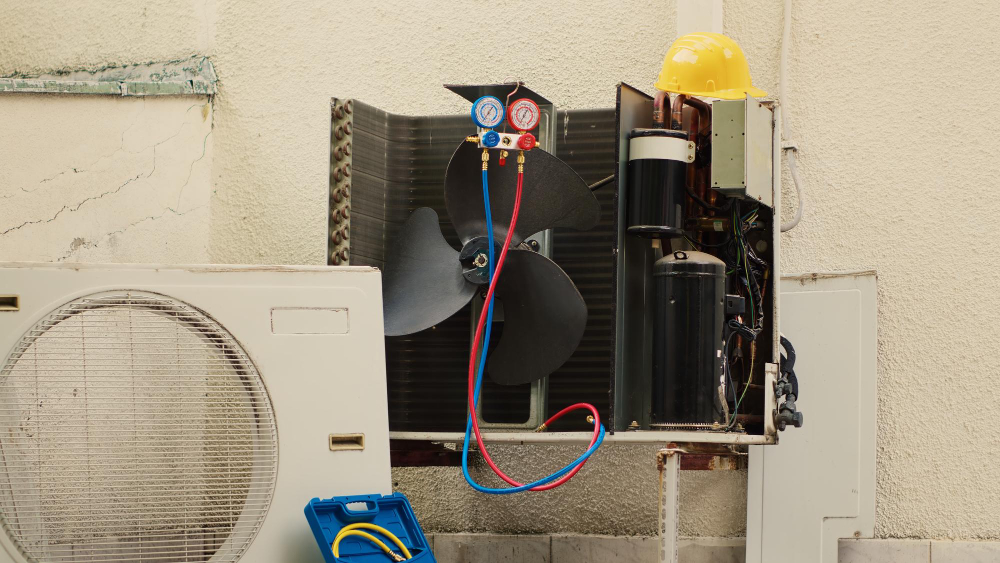
Test Capacitor Voltage and Capacitance
Technicians should regularly verify capacitor performance using professional testing equipment.
Inspect Contactors and Wiring
Loose electrical connections increase heat buildup and component strain.
Clean Rooftop Units
Dirty condenser coils increase operating temperatures, which accelerates capacitor deterioration.
Monitor Compressor Startup Performance
Hard starts and delayed startups should always be investigated early.
Replace Aging Capacitors Preventatively
Many commercial HVAC contractors recommend preventative capacitor replacement for older rooftop units before peak summer season begins.
This can significantly reduce emergency breakdown risks.
Minnesota Summer HVAC Stress Checklist
Before summer arrives, commercial property managers should confirm:
- Rooftop units inspected
- Capacitors tested
- Condenser coils cleaned
- Electrical connections tightened
- Refrigerant levels verified
- Startup amperage checked
- Preventative maintenance agreements active
Proactive inspections help reduce costly emergency HVAC failures during extreme heat events.
Final Thoughts
Commercial AC capacitor failures are small electrical problems that can quickly turn into major HVAC emergencies.
Ignoring clicking sounds, hard starts, warm air issues, or intermittent rooftop unit startup problems can eventually lead to compressor failure, emergency downtime, and expensive repair costs.
Minnesota summer heat waves place heavy strain on commercial rooftop HVAC systems, making preventative electrical maintenance essential for reliable operation.
Routine inspections and early capacitor replacement can help businesses:
Ignoring clicking sounds, hard starts, warm air issues, or intermittent rooftop unit startup problems can eventually lead to compressor failure, emergency downtime, and expensive repair costs.
Minnesota summer heat waves place heavy strain on commercial rooftop HVAC systems, making preventative electrical maintenance essential for reliable operation.
Routine inspections and early capacitor replacement can help businesses:
- Prevent emergency shutdowns
- Reduce repair costs
- Protect compressors
- Improve cooling reliability
- Extend rooftop unit lifespan
A proactive maintenance strategy is often far less expensive than dealing with a full commercial HVAC system failure during peak summer demand.
Having AC Issues? Schedule a Commercial HVAC Electrical Inspection.
Prevent unexpected rooftop unit failures with a professional HVAC electrical inspection. Testing capacitors, contactors, wiring, and startup performance before summer can help reduce emergency repairs and protect expensive commercial cooling equipment.